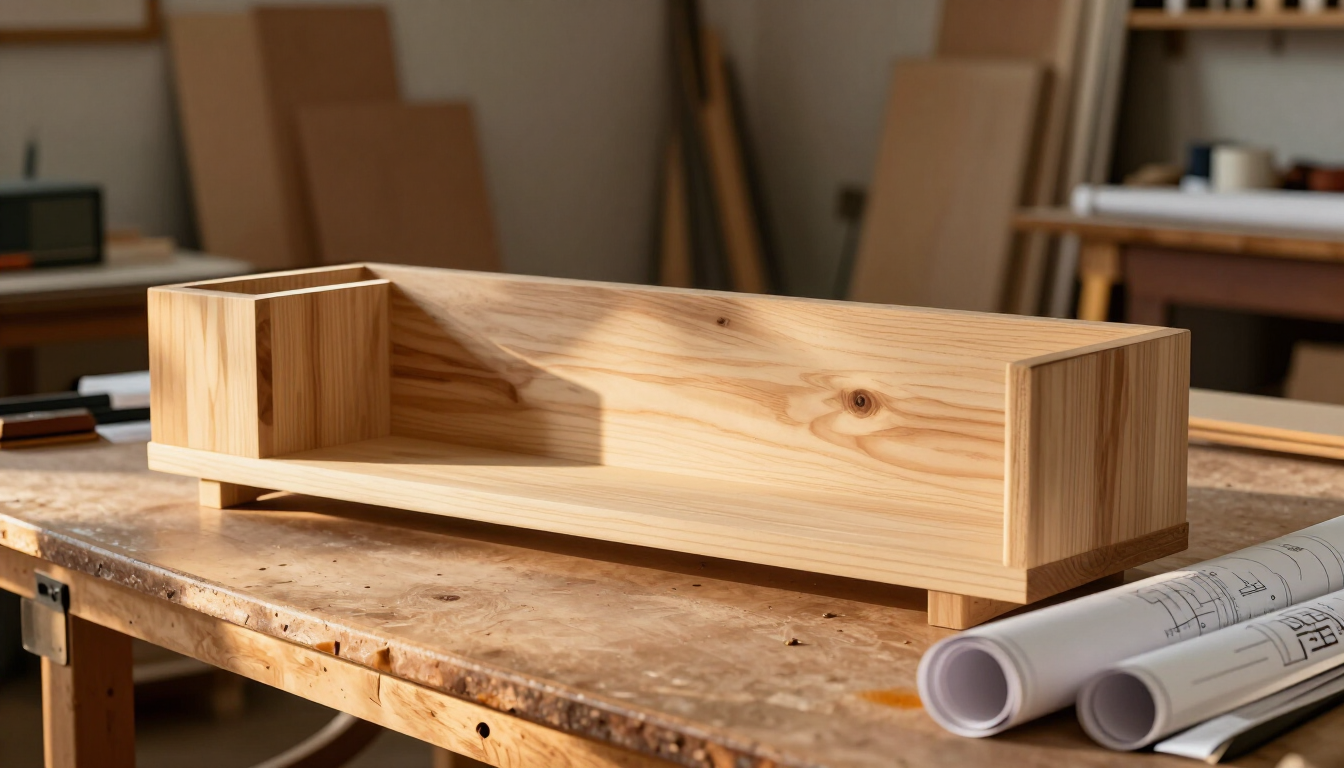
Best Woodworking Plans for Beginners
Starting a woodworking project is much easier when you know what you are building before you begin.
For beginners, a useful woodworking plan can provide structure and help answer important questions about materials, measurements, tools, and assembly.
But not every plan is equally useful. Here is what to look for.
What Makes a Good Woodworking Plan?
A useful plan should make the project easier to understand. Depending on the project, look for:
- Clear measurements
- Materials lists
- Tool requirements
- Diagrams
- Cutting information
- Assembly instructions
- Helpful illustrations
- Finishing guidance
The more complicated the project, the more important clear documentation becomes.
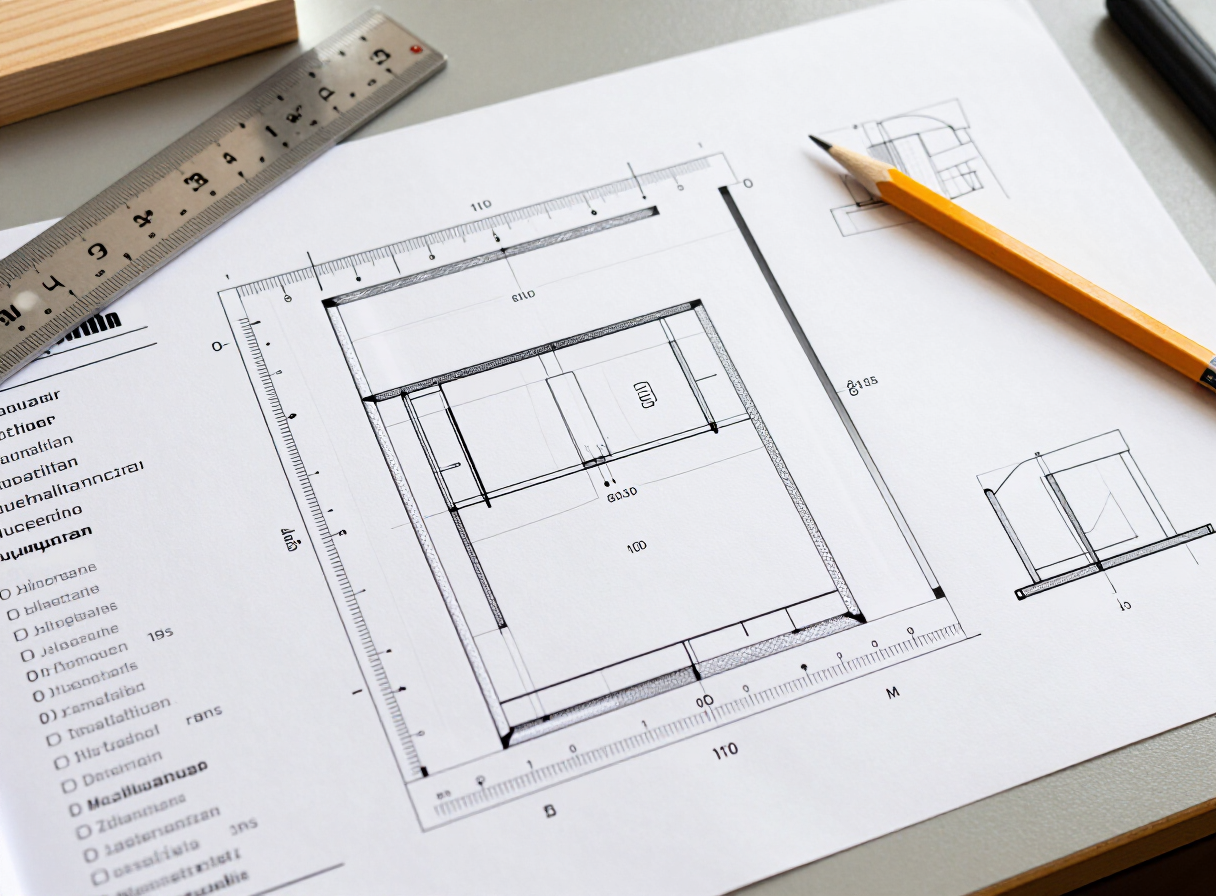
1. Start With the Right Difficulty
One of the biggest beginner mistakes is choosing a project that is far beyond your current experience. Instead, look for projects that introduce one or two new skills at a time — our 15 easy beginner projects are a good place to start.
Examples include:
- Simple shelves
- Planter boxes
- Small tables
- Basic benches
- Storage crates
- Simple workbenches
2. Check the Required Tools
Before choosing a project, check its tool requirements — our essential woodworking tools guide covers the ten that matter most. You do not necessarily need a workshop full of expensive equipment.
Choose projects that work with the tools you already have whenever possible.

3. Look at the Materials List
A good materials list lets you estimate what the project will require before you start. If you are unsure which species to buy, our guide to choosing the right wood for DIY projects compares the common options. Check:
- Wood dimensions
- Hardware
- Fasteners
- Glue
- Finish
- Other project-specific materials
4. Look for Visual Guidance
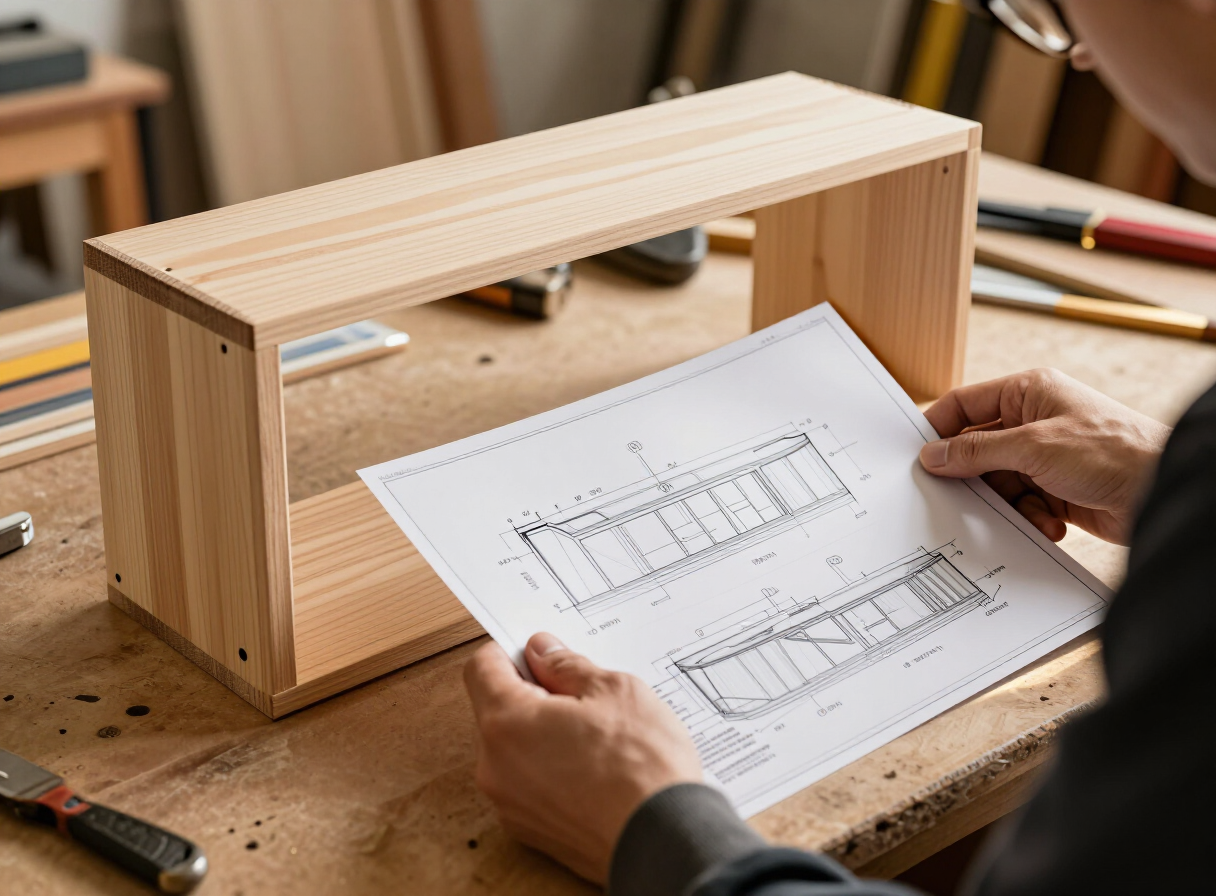
Diagrams and illustrations can be particularly helpful when learning woodworking. A visual explanation can make complicated assembly steps easier to understand.
5. Choose Projects You'll Actually Use
The most motivating beginner projects are often practical ones. Instead of building something simply because it is easy, consider making something you will actually use.
A shelf, bench, planter, table, or workshop organizer can provide both practice and a useful finished product — and our DIY wooden storage ideas are full of practical builds worth making.
Where Can You Find Woodworking Plans?
There are several ways to find woodworking plans. You can find individual plans through woodworking websites, books, magazines, communities, and dedicated collections.
If you are looking for a larger collection in one place, Ted’s Woodworking is one resource you can explore. It offers a large collection of woodworking plans covering multiple project categories.
Ted’s Woodworking — a large collection of woodworking plans covering multiple project categories.
Affiliate Disclosure: This is an affiliate link. If you make a purchase through the link, we may receive a commission at no additional cost to you.
Is a Large Collection Worth It?
That depends on how often you plan to build.
If you are only interested in one specific project, a single well-designed plan may be all you need. If you are someone who enjoys regularly starting new woodworking projects, having access to a larger range of ideas may be more useful.
Consider your:
- Experience
- Available tools
- Workspace
- Budget
- Project goals
- Frequency of woodworking
Beginner Woodworking Checklist
Before starting your next project:
- Choose an appropriate difficulty level
- Read the entire plan
- Check your tools
- Purchase the required materials
- Measure carefully
- Set up your workspace
- Use appropriate safety equipment
- Understand the assembly sequence
- Allow enough time
- Don’t rush
Final Thoughts
The best woodworking plan isn’t necessarily the most complicated one. It’s the one that clearly explains what you need to do and matches your current abilities.
Start small, learn the fundamentals, and let each project prepare you for the next. And once you have a plan in hand, our complete guide to reading woodworking plans walks through every section you will encounter.