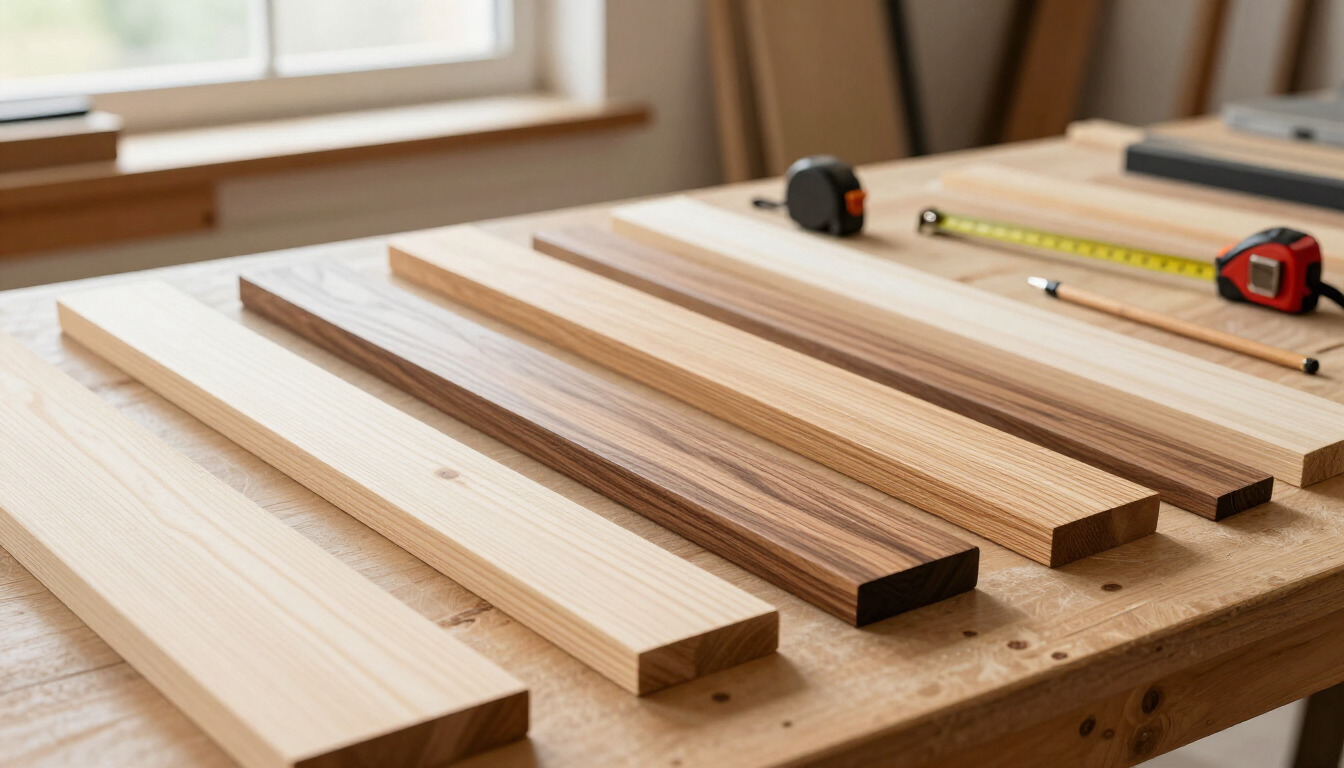
Beginner's Guide to Choosing the Right Wood for DIY Projects
Choosing the right wood can make the difference between a woodworking project that lasts for years and one that becomes frustrating before it is finished.
Beginners often walk into a lumber store and see dozens of options without knowing which one to choose. The good news is that choosing wood becomes much easier once you understand a few basic differences — and once you match the material to the project you are about to build.
Hardwood vs. Softwood
The first distinction is between hardwood and softwood. Hardwoods generally come from deciduous trees such as oak, maple, walnut, and cherry. They tend to be dense and durable, although properties vary considerably between species.
Softwoods generally come from coniferous trees such as pine, cedar, and fir. Softwood does not automatically mean "weak," and hardwood does not automatically mean "better." Each has different applications.
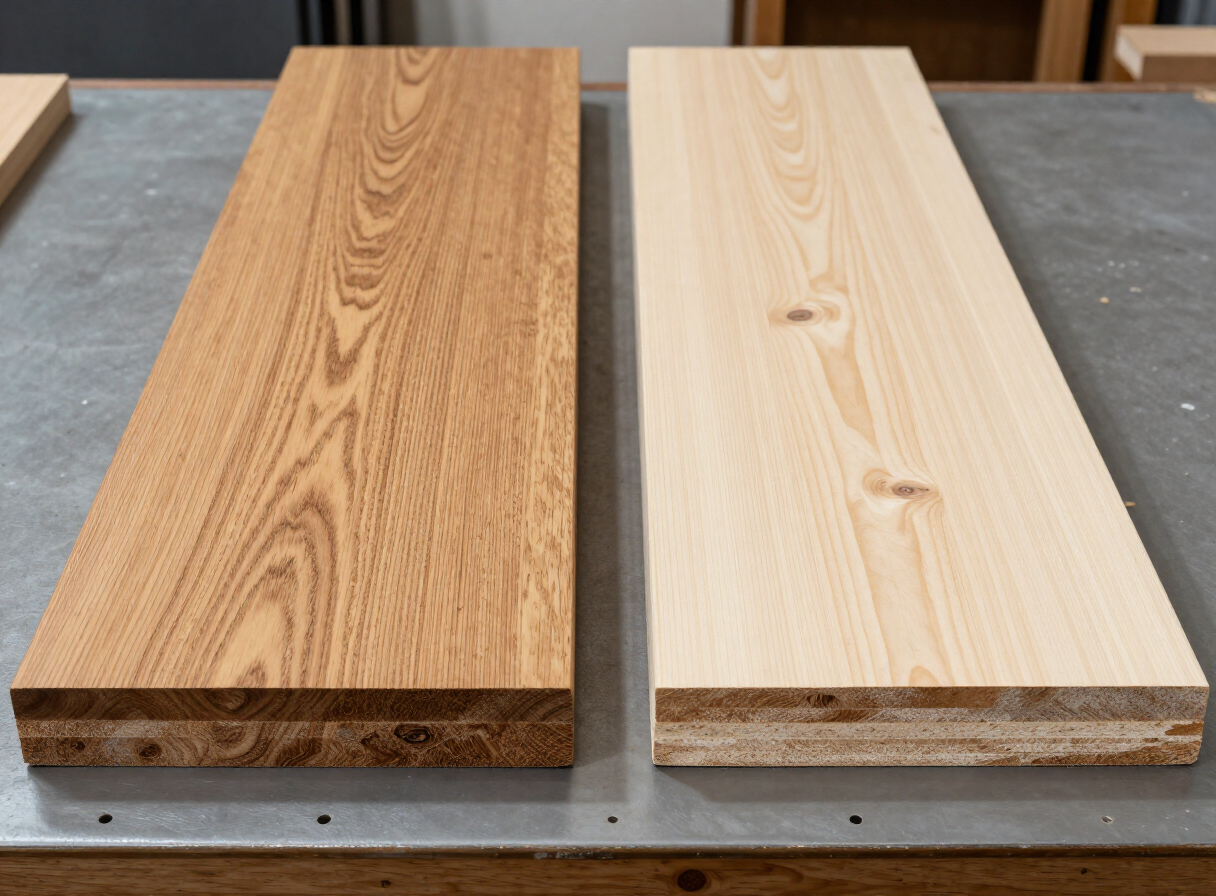
Pine: A Great Beginner Choice
Pine is popular among DIY woodworkers because it is relatively affordable and easy to work with. It is suitable for shelves, crates, simple furniture, decorative projects, and many of the beginner builds we recommend.
One challenge with pine is that it can dent easily and sometimes absorbs stain unevenly. For beginners, however, its availability and affordability make it a practical material — and a forgiving one while you are still learning to use your essential woodworking tools.
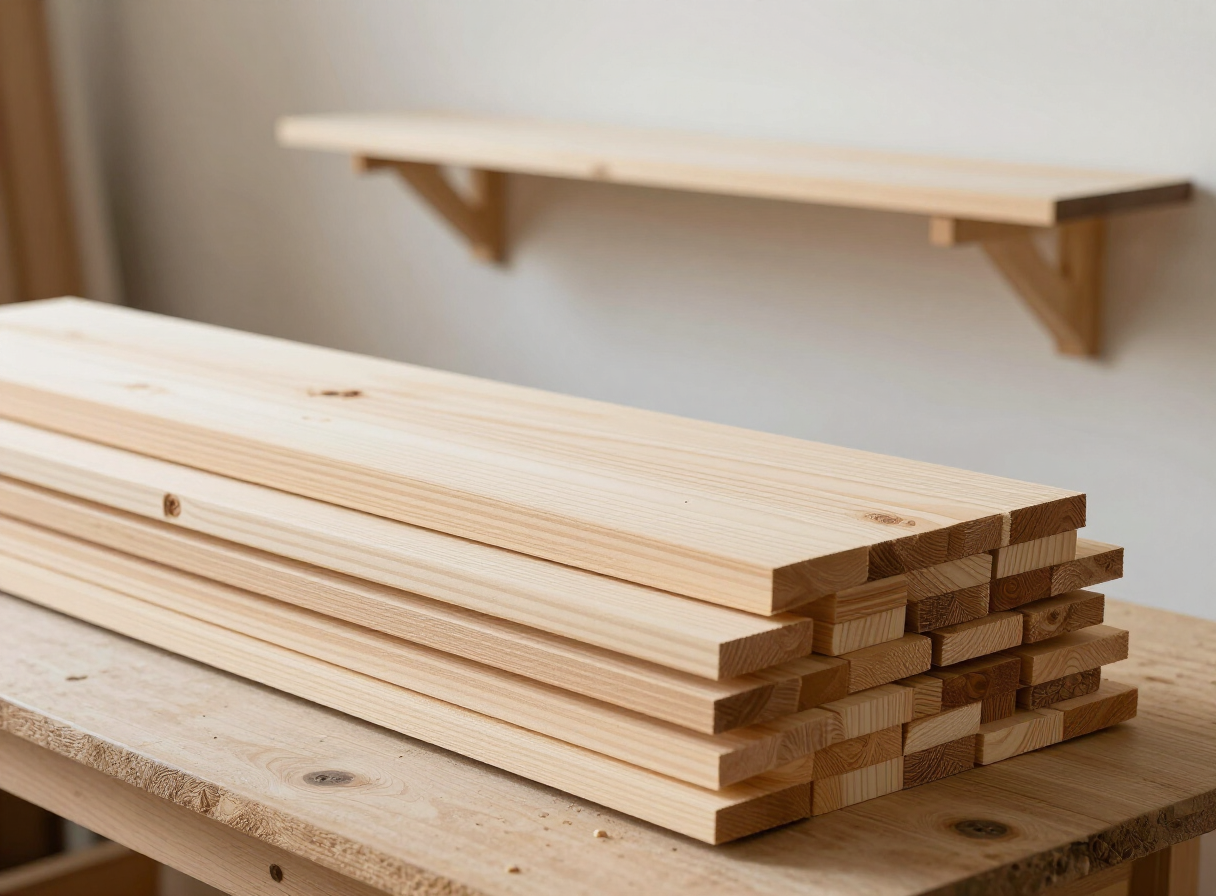
Cedar for Outdoor Projects
Cedar is commonly used for outdoor projects because it naturally handles moisture better than many untreated interior woods. It is often used for planters, garden structures, outdoor furniture, and decorative projects — exactly the kind of builds in our outdoor projects guide.
Even when using naturally durable wood, construction should still account for weather exposure and the intended lifespan of the project. Our backyard furniture article walks through choosing wood, fasteners, and finishes for outdoor exposure.
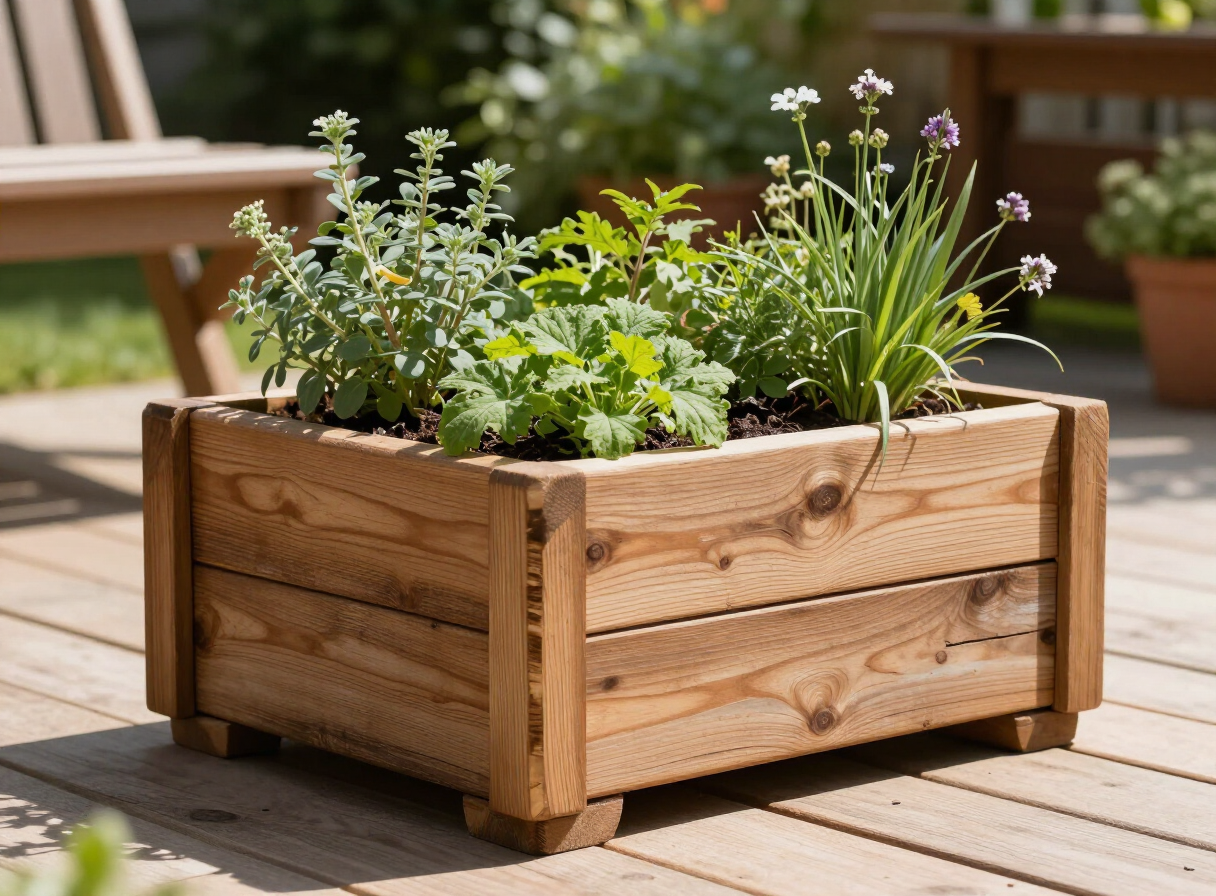
Oak for Durable Furniture
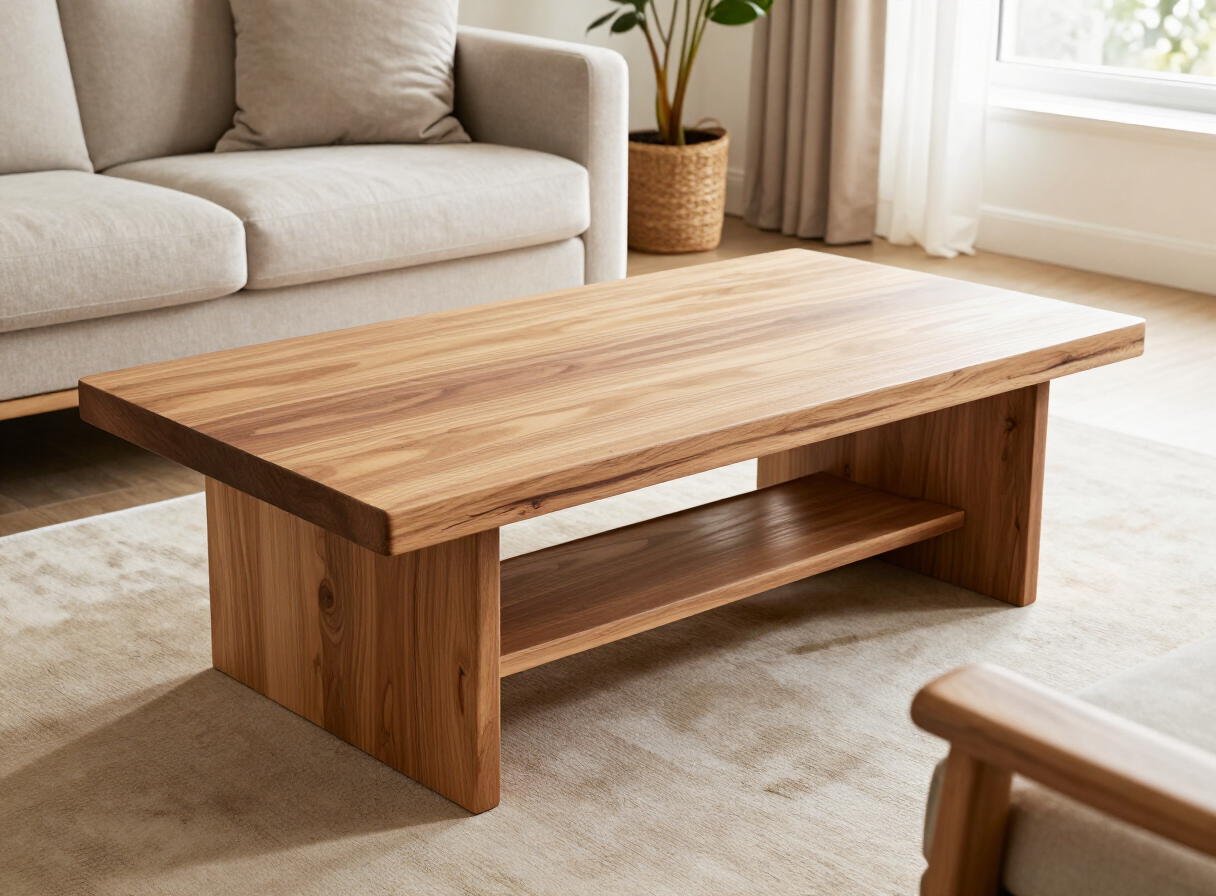
Oak is a popular furniture wood because it is strong and attractive. It can produce beautiful tables, benches, cabinets, shelves, and other furniture — like the builds in our guide to building your first piece of DIY wooden furniture and the DIY furniture projects in our project library.
The downside for beginners is that hardwoods such as oak can cost more and may require more effort to cut, drill, and sand. If you are new to furniture building, start with a simpler design and work up to oak once your joinery is reliable.
Maple for a Clean Appearance
Maple has a relatively light appearance and can provide a clean, modern look. It is useful for furniture, shelving, cutting boards, and other projects where a smooth appearance is desirable.
Maple is also a hard, dense wood — which makes it an excellent choice for a first hardwood cutting board where a durable, food-safe surface matters.
Walnut for Premium Projects
Walnut is one of the classic choices when you want a rich, darker appearance. It can produce beautiful furniture and decorative projects.
However, its price can make it less attractive for large beginner projects. Consider using it for smaller projects where the material cost is easier to control.
Plywood: An Extremely Useful Material
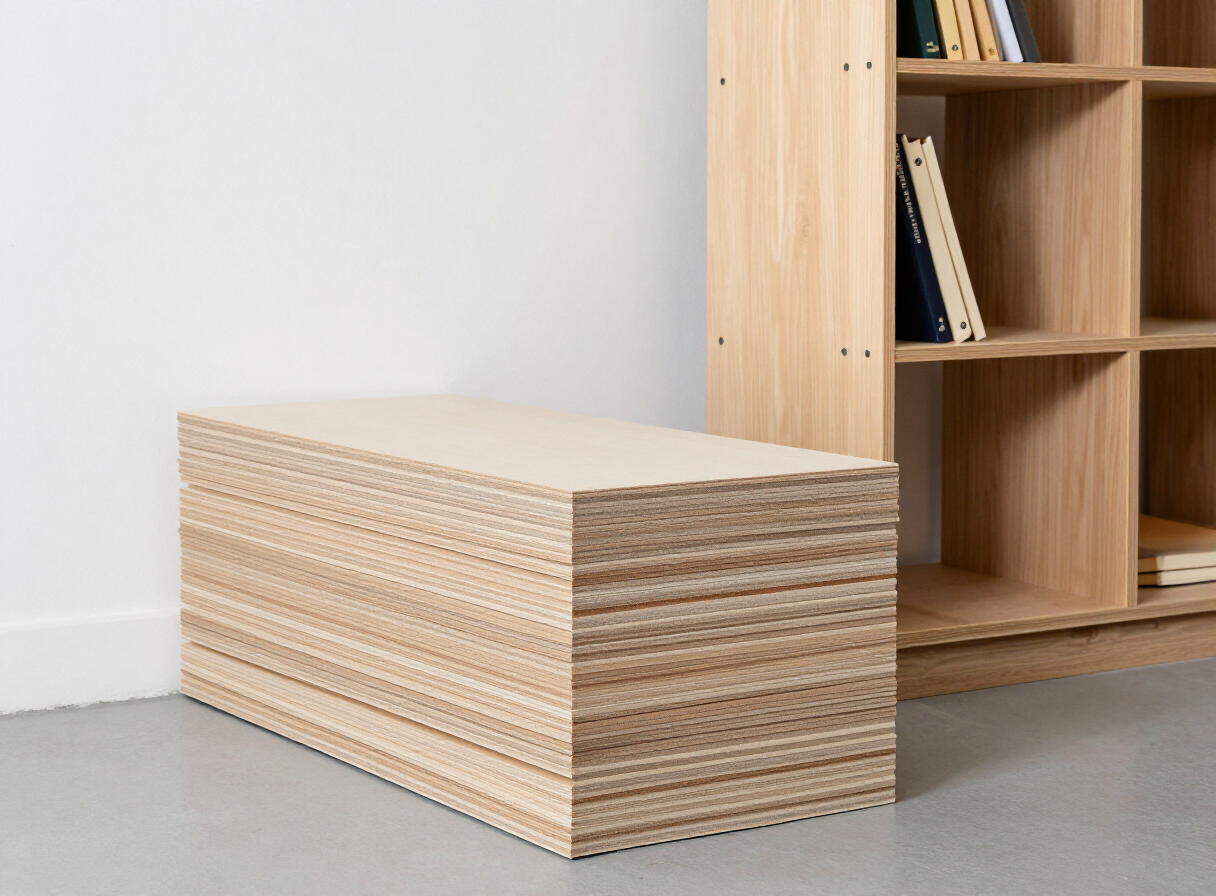
Plywood is manufactured from layers of wood veneer. It is available in different grades and thicknesses and is widely used for cabinets, shelving, workbenches, storage solutions, and furniture — including many of the builds in our DIY wooden storage ideas.
For DIY projects, plywood can be particularly useful because large sheets provide stable panels for building — like the one-sheet plywood bookshelf in our project library. The key is choosing the correct grade for your intended application.
Reclaimed Wood
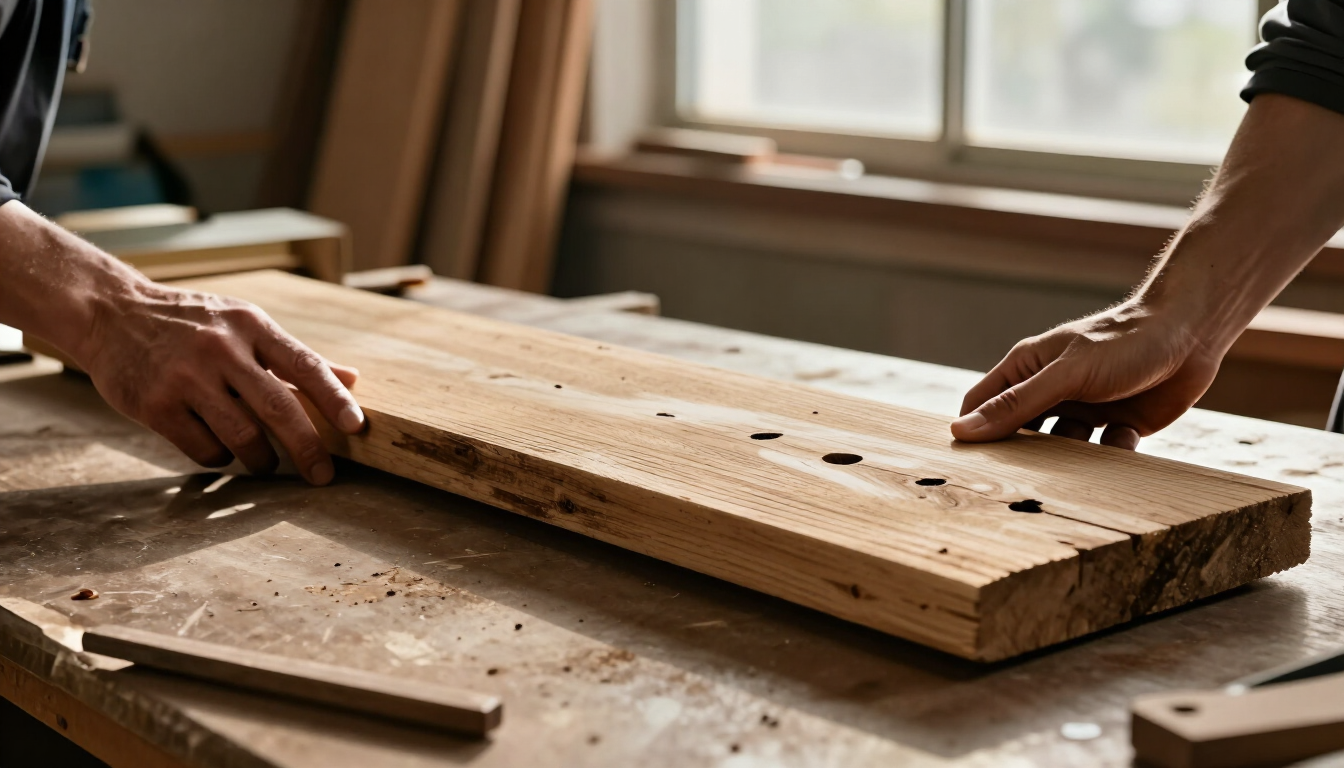
Reclaimed lumber can give a project a unique character. Old boards may contain interesting colors, textures, nail holes, and natural aging.
However, reclaimed wood requires additional preparation. Inspect it carefully and remove old nails, screws, and other hazards before cutting or sanding.
How Much Wood Should You Buy?
Always create a cut list before buying materials. Measure each component and calculate the approximate amount of lumber needed — the same habit that keeps every step-by-step project guide on track.
Then allow some extra material for mistakes, defects, trimming, and grain direction. Buying exactly the theoretical amount is risky. If you are working from a published plan, our guide to reading woodworking plans explains how to decode a cut list before you buy.
- Measure every component and list finished dimensions
- Account for kerf (the wood the blade removes) on each cut
- Add 10–15% extra for mistakes, defects, and grain matching
- Buy longer boards than you need — short offcuts waste money
- Check each board for warp, bow, and knots before purchasing
Think About the Finish
The type of finish you want can also influence your wood choice. Some woods look excellent naturally, while others benefit from paint.
If you plan to stain the project, test your finishing method on scrap from the same material first. Pine, for example, can blotch badly under stain unless you use a pre-stain conditioner.
Final Thoughts
There is no single "best wood" for every DIY project. Pine may be ideal for an inexpensive beginner build. Cedar can work well for outdoor applications. Oak and maple can be excellent choices for durable furniture, while walnut can create a premium appearance.
The best material is the one that matches your project's purpose, environment, budget, and skill level. When you are ready to put your chosen lumber to work, browse our woodworking plans or try one of these weekend projects you can build in a couple of days. And before you buy anything, check your scrap pile — our scrap wood projects show how to turn offcuts into useful builds.