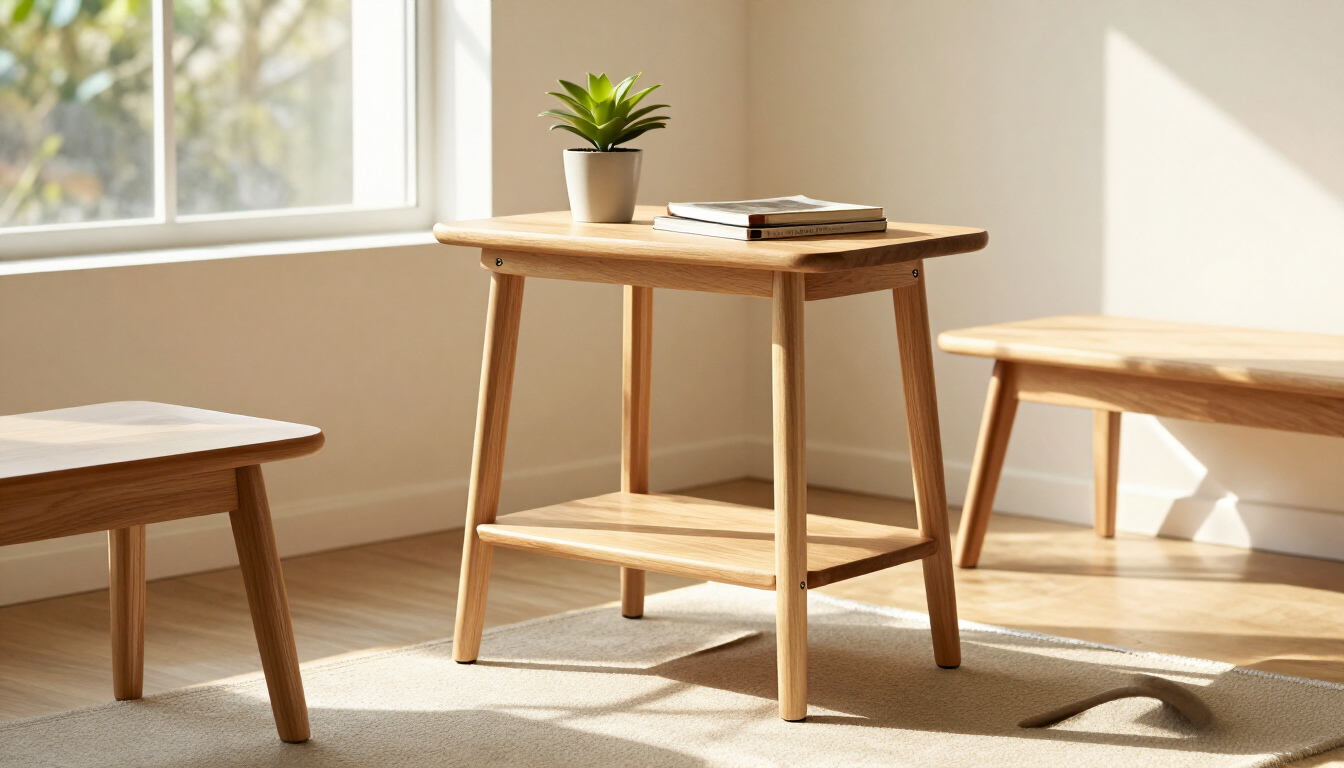
DIY Wooden Furniture: How to Build Your First Piece
Building your own furniture is one of the most rewarding parts of woodworking.
There is something satisfying about looking at a table, bench, shelf, or cabinet and knowing that you designed and built it yourself.
But furniture projects are different from small woodworking projects. Furniture needs to be stable, functional, comfortable, and strong enough for its intended use.
If you are ready to build your first piece of DIY wooden furniture, here is where to start.
Choose a Simple Project
Don’t begin with an enormous dining table or complicated cabinet. Start with something manageable — the same advice behind our 15 easy beginner projects.
Good beginner furniture projects include:
- Small side tables
- Simple benches
- Basic coffee tables
- Nightstands
- Small bookshelves
- Simple stools
Your first project should challenge you without overwhelming you. Browse our DIY furniture project library for approachable builds ranked by difficulty.
Design Before Cutting
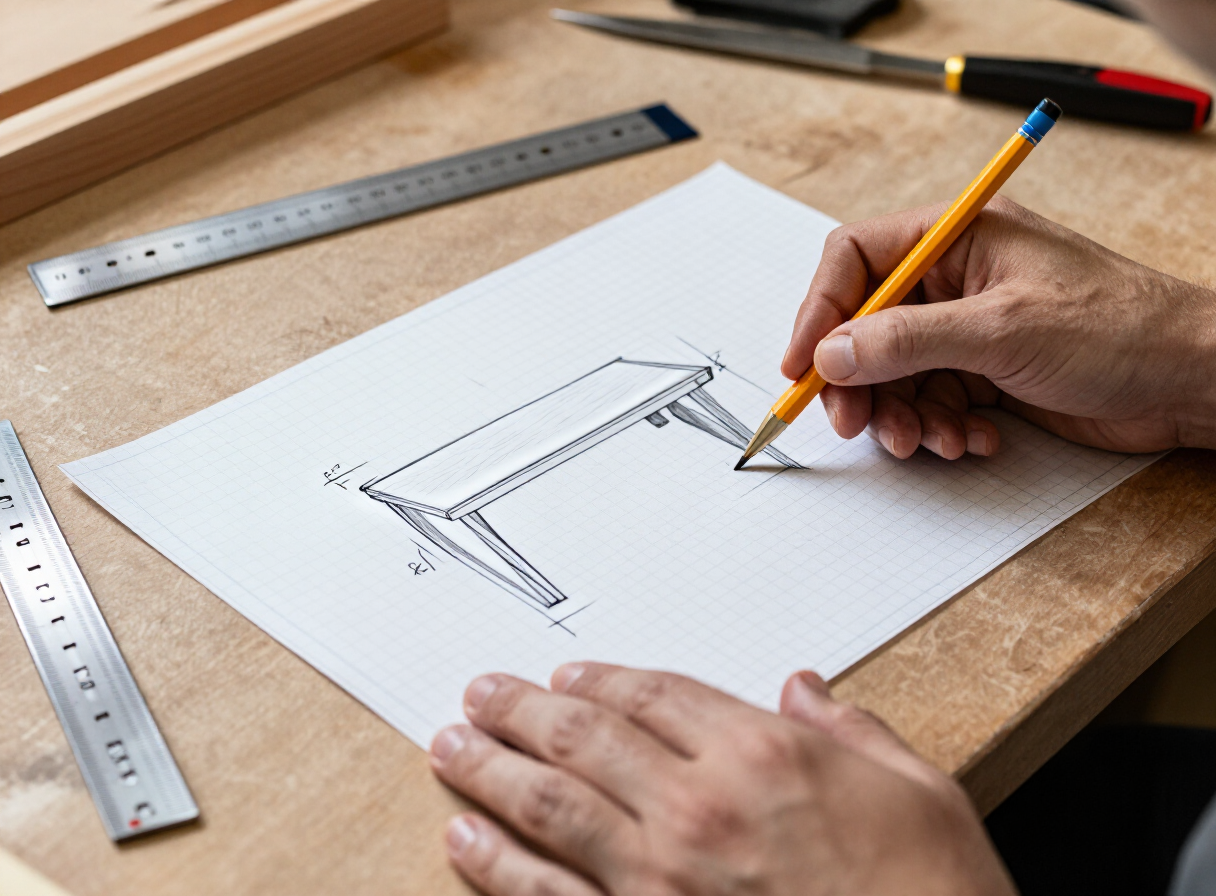
Create a basic drawing. It doesn’t have to be professional — show the overall dimensions and identify each component.
For example, a simple table may have:
- Tabletop
- Four legs
- Side supports
- Fasteners
- Optional lower shelf
A drawing gives you something to work from — and it is the same planning habit that keeps every step-by-step project guide on track.
Create a Cut List
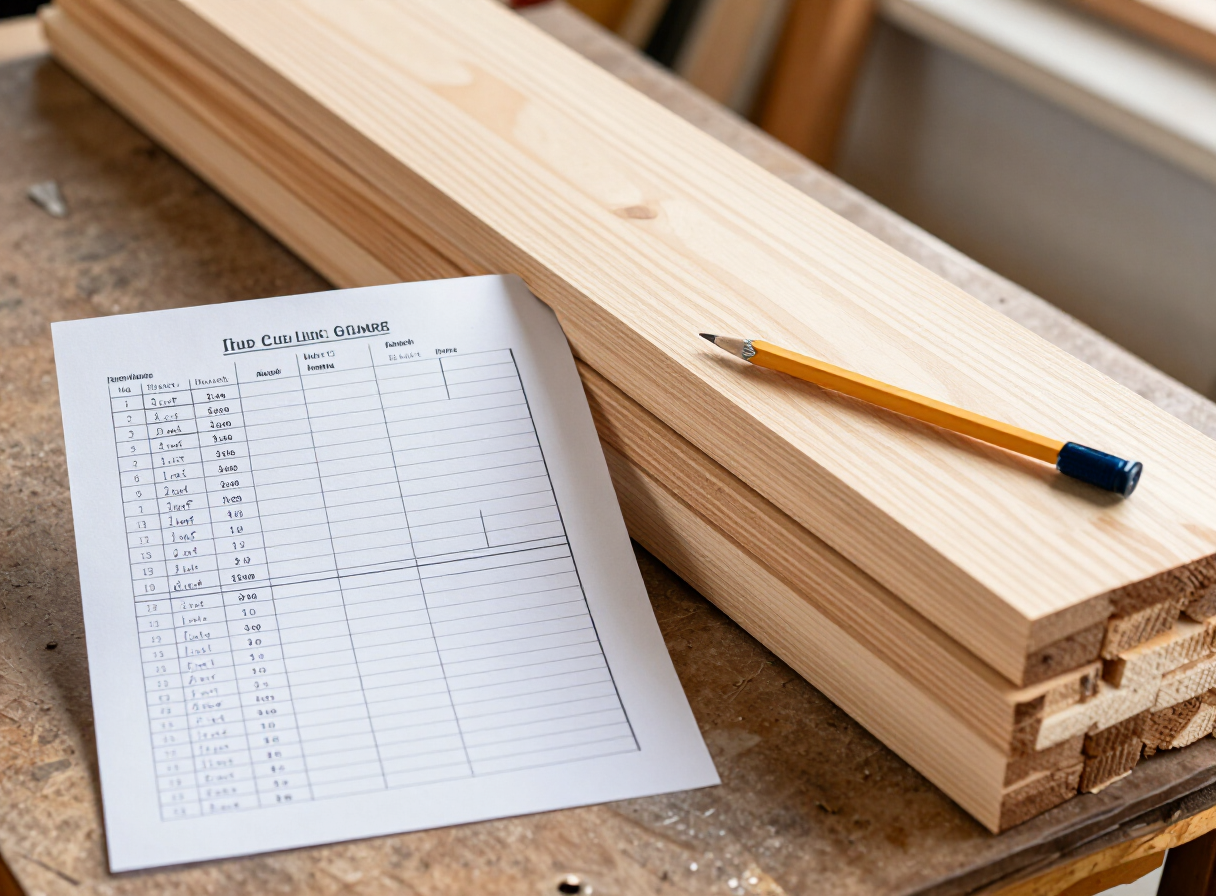
Turn your drawing into a cut list. Write down every piece and its dimensions, then calculate how much lumber you need. This helps reduce waste and makes shopping easier.
If you are working from a published plan, our guide to reading woodworking plans explains how to decode a cut list before you buy.
Choose Appropriate Wood
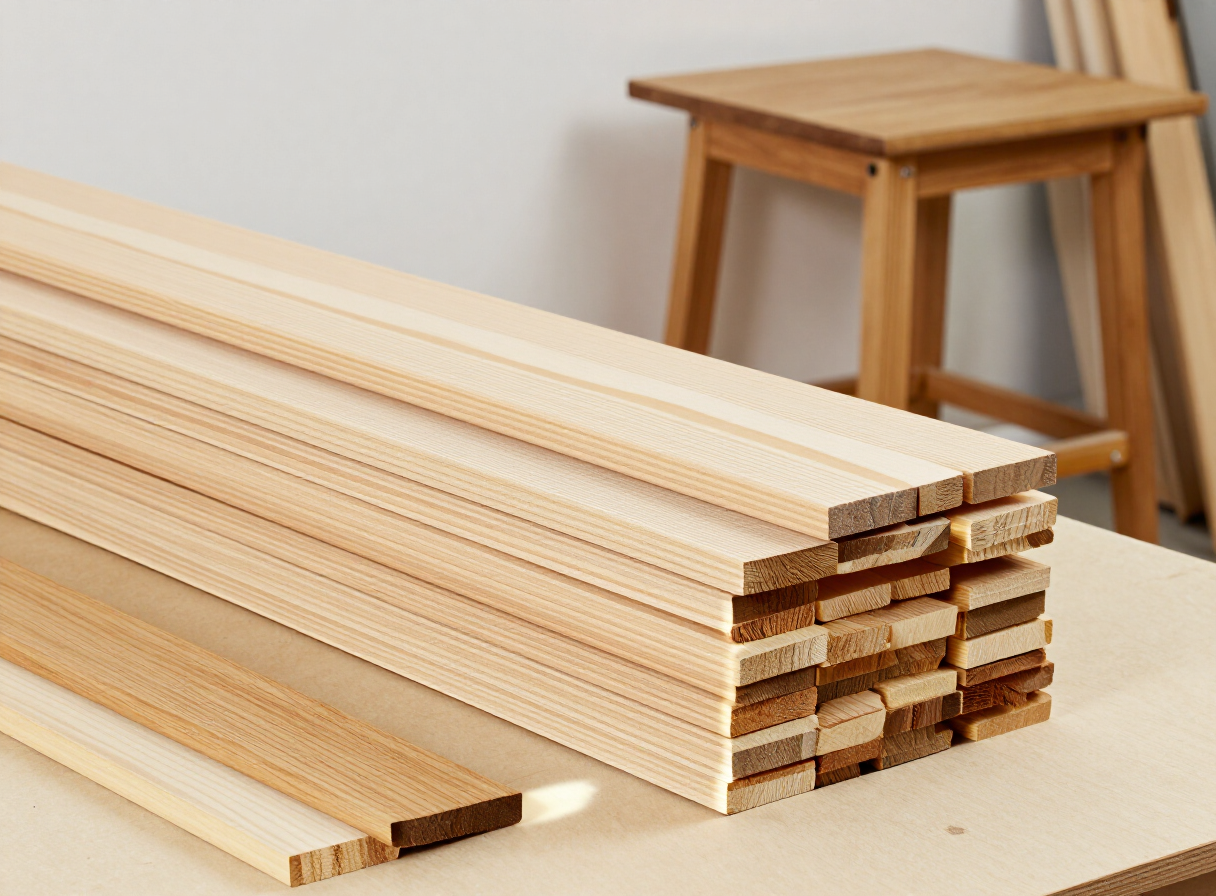
For a beginner project, affordable and easy-to-work materials can be a smart choice. Pine is often practical for inexpensive furniture, while hardwoods can create beautiful results at a higher material cost — our guide to choosing the right wood for DIY projects compares the common options.
Consider the environment where the furniture will be used. Indoor furniture has different material requirements from outdoor furniture — see our backyard furniture article for wood, fasteners, and finishes that survive the weather.
Focus on Strong Connections
Furniture needs strong joints. Depending on your project, you may use screws, bolts, dowels, pocket holes, traditional joinery, or combinations of these.
Don’t rely solely on appearance. A joint can look good while still being weak — and weak joinery is one of the common woodworking mistakes beginners should avoid.
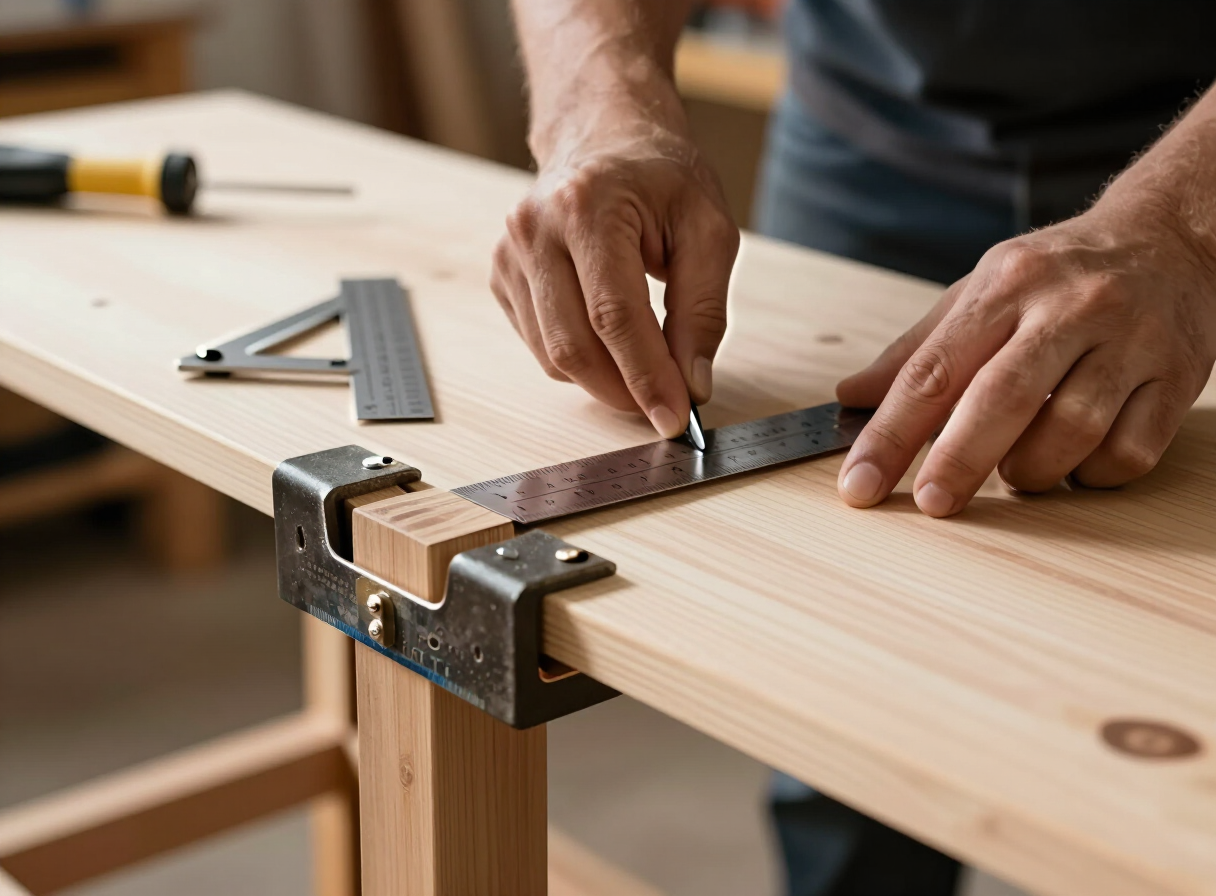
Check for Square
A piece of furniture that isn’t square can wobble, twist, or look uneven. Check your components during assembly rather than waiting until the end. Clamps are extremely helpful here.
Sand Carefully
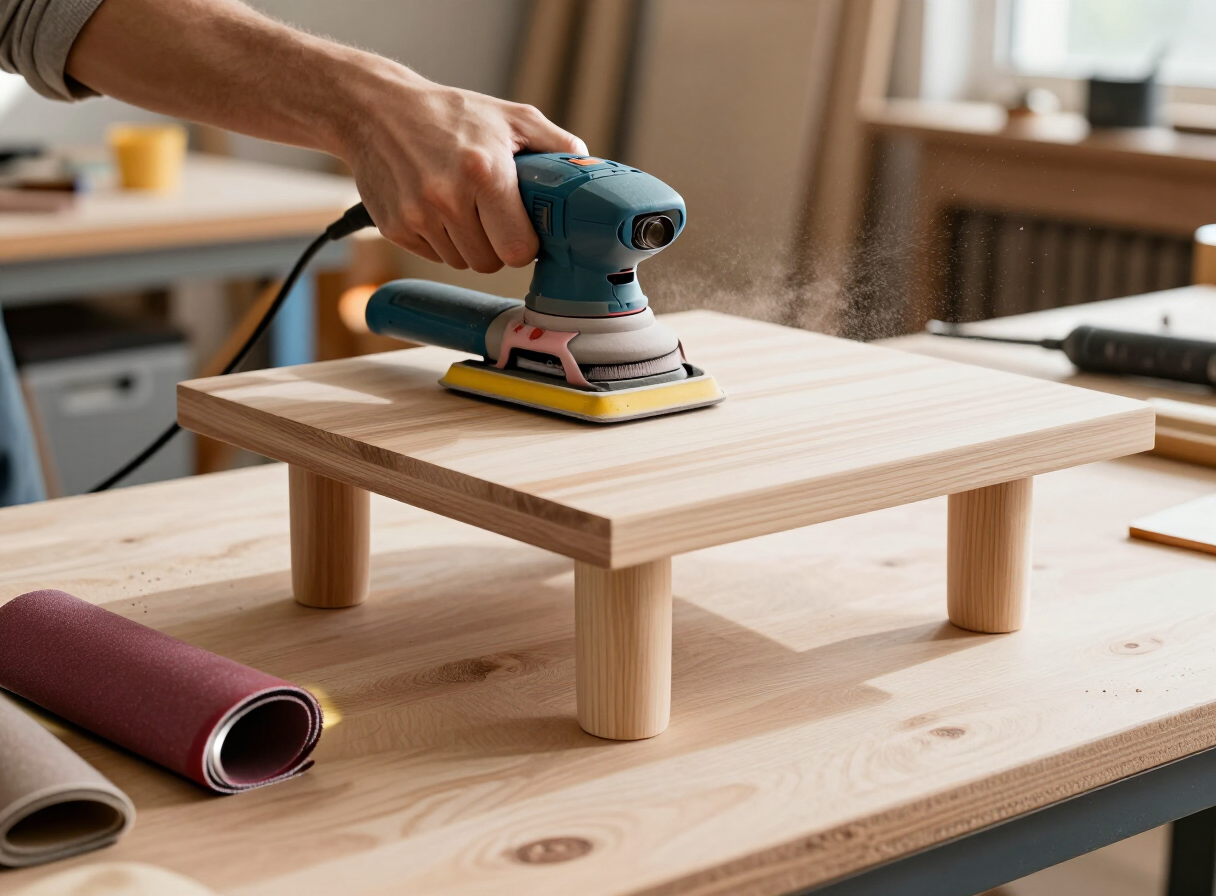
After assembly, inspect the furniture for rough edges and uneven surfaces. Sand appropriately without unnecessarily removing large amounts of material, and pay particular attention to areas people will touch — our guide to sanding wood properly for a smooth finish covers grit progression and technique.
Choose Your Finish
The finish can dramatically change the appearance of the project. Options may include paint, stain, oil, or clear protective finishes. Always follow the product’s instructions and allow adequate drying or curing time.
Think About Function
A beautiful piece of furniture isn’t successful if it doesn’t work properly. Ask:
- Is the height comfortable?
- Is it stable?
- Can it support the intended load?
- Are the edges comfortable?
- Does it fit the room?
- Does it provide the required storage or surface area?
Good furniture combines appearance and function — and a well-organized small workshop makes both easier to achieve.
Take Your Time
Furniture rewards patience. If a joint doesn’t fit correctly, stop and fix the problem rather than forcing the pieces together. If the finish doesn’t look right, allow yourself time to correct it. Woodworking isn’t a race.
Final Thoughts
Your first furniture project is a milestone. Choose something simple, plan carefully, create an accurate cut list, use appropriate materials, and focus on strong construction.
You don’t need professional-level skills before building furniture. You develop those skills by building — so pick a forgiving first build, gather your essential woodworking tools, try one of these weekend projects you can build in a couple of days, or follow our complete guide to building a DIY bookshelf for a practical first furniture project.