How to Set Up a Small Woodworking Workshop
You do not need a huge garage or dedicated building to create a useful woodworking workshop.
A small, well-organized space can be surprisingly capable if every part of it has a purpose.
Here is how to make the most of limited workshop space — and for a deeper, room-by-room walkthrough, see our guide to small woodworking shop ideas.
1. Start With Your Available Space
Measure the area before buying equipment.
Consider:
- Wall space
- Floor space
- Ceiling height
- Door access
- Electrical outlets
- Lighting
- Ventilation
- Storage areas
Create a simple layout before moving equipment into the room.
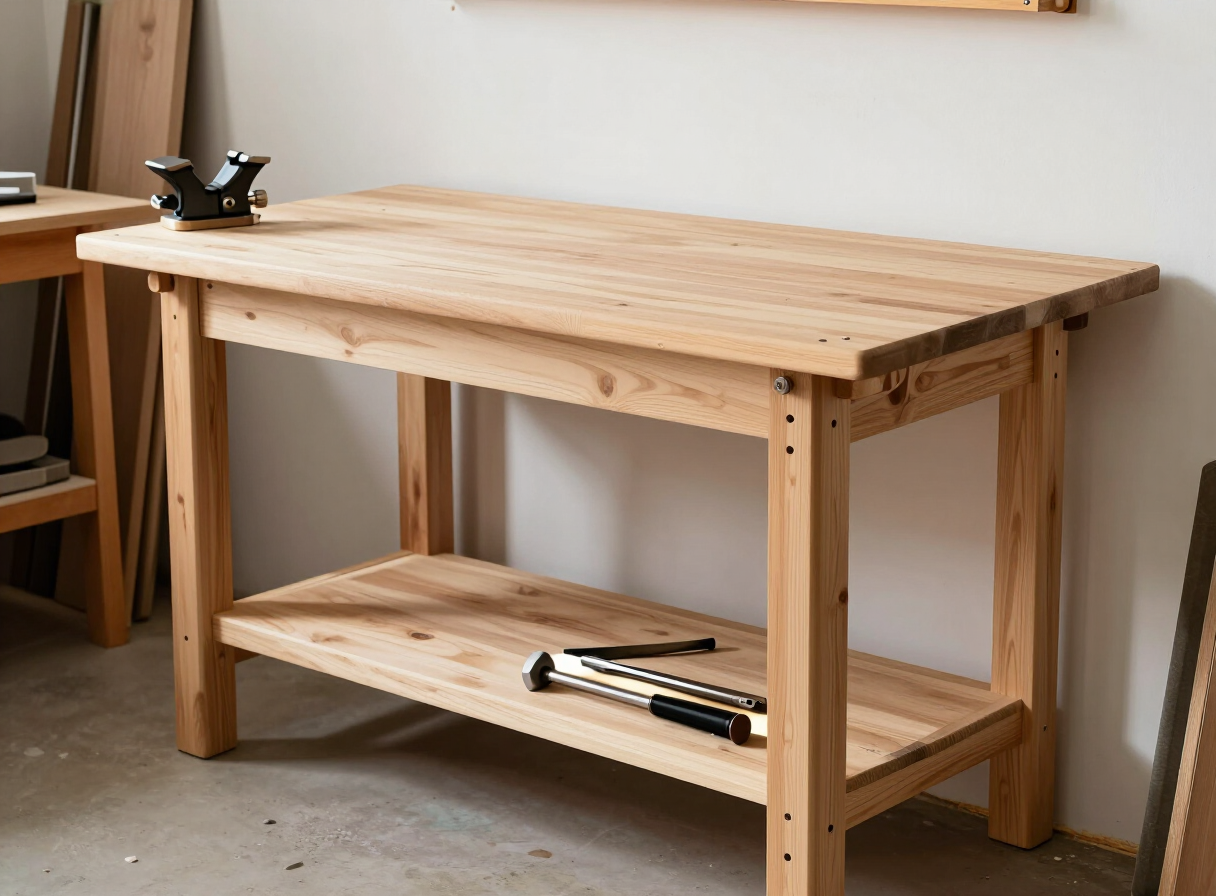
2. Build a Compact Workbench
Your workbench will likely become the heart of the workshop. If you are ready to build your own, our step-by-step guide to building a simple DIY wooden workbench walks through sizing, materials, and assembly.
A good small-space workbench should provide:
- A stable work surface
- Adequate working height
- Storage when possible
- Enough room to move around it
Do not make the bench so large that it prevents you from comfortably moving through the workshop.
3. Use Vertical Storage
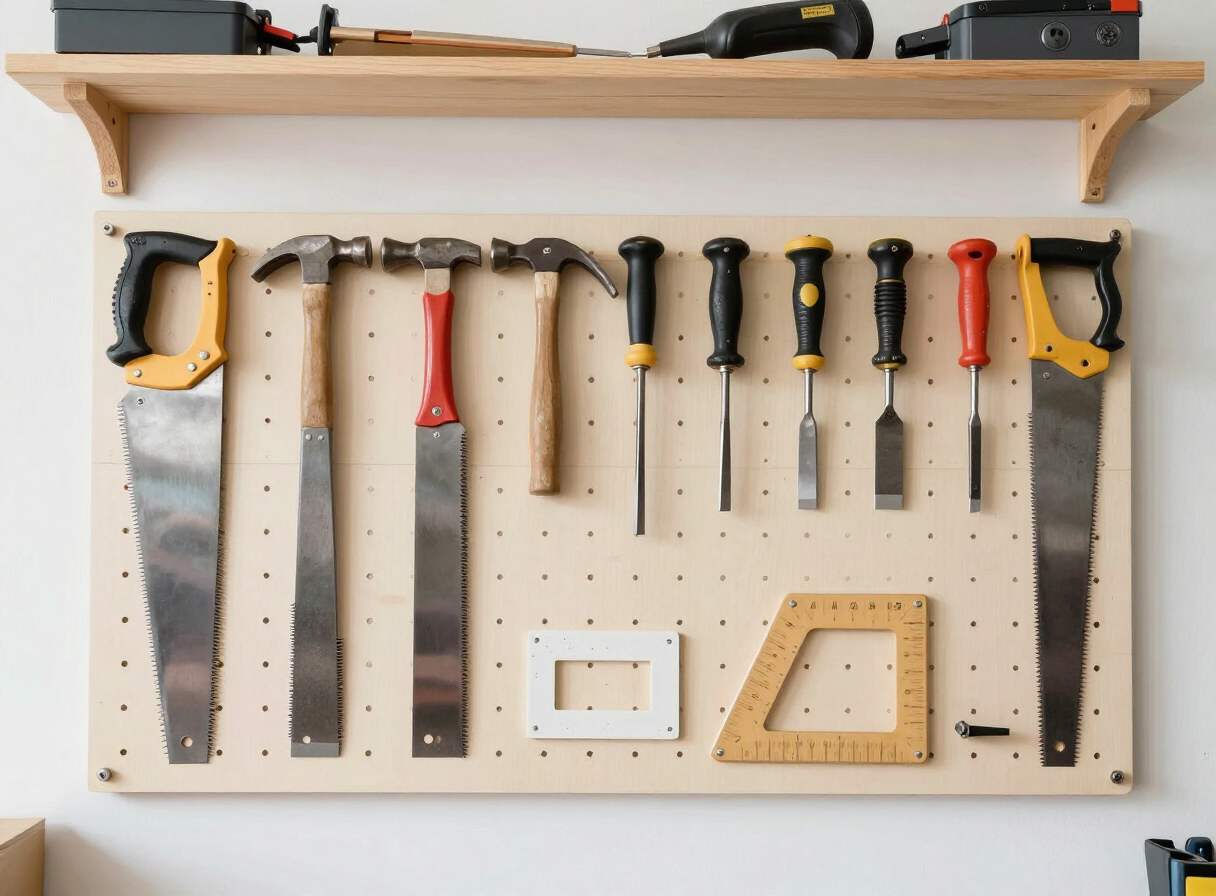
Walls are valuable in a small workshop.
Consider:
- Pegboards
- Wall-mounted shelves
- Tool racks
- Lumber storage
- Hanging organizers
- Cabinets
Keeping tools off the floor can make a small space feel considerably more usable.
4. Organize Tools by Frequency
Keep frequently used tools within easy reach — our essential woodworking tools guide lists the ten every beginner should own.
Less frequently used equipment can go into cabinets or higher storage areas.
This simple principle can save time every time you start a project.
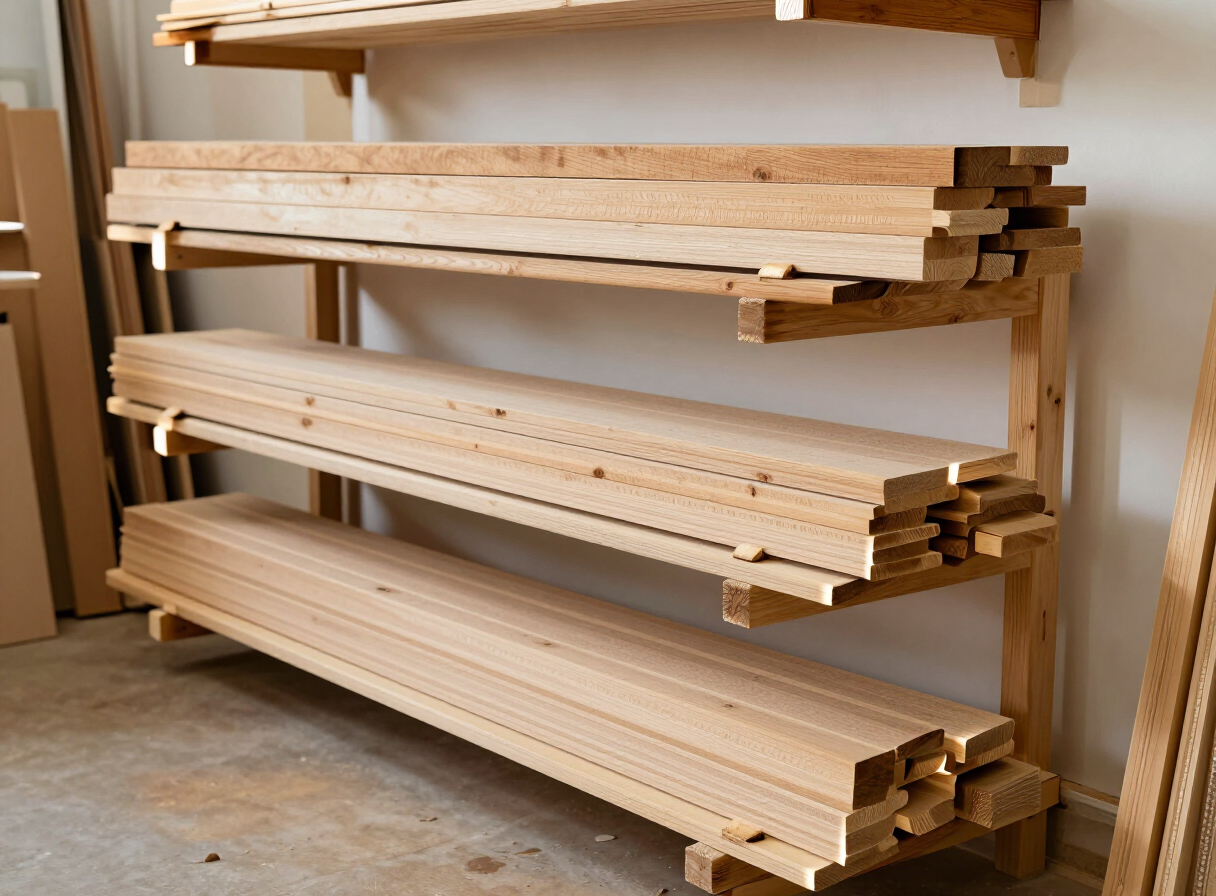
5. Create a Dedicated Lumber Storage Area
Randomly stacked boards can quickly consume valuable floor space.
Create a dedicated storage solution that keeps lumber organized and safely supported.
6. Improve Workshop Lighting
Good lighting matters when you are measuring, cutting, assembling, and finishing.
Use adequate general lighting and consider task lighting around your main work area.
7. Keep Safety in Mind
A small workshop still needs appropriate safety planning.
Keep walkways clear, follow tool manufacturers’ safety instructions, use suitable protective equipment, and make sure your workspace has appropriate ventilation and dust management.
8. Think About Dust Management
Woodworking can generate significant dust.
Plan how dust will be collected and cleaned from the beginning. Your approach will depend on the tools you use and the size of your workspace.
9. Make Everything Earn Its Space
In a small workshop, every object should have a reason for being there.
Ask: “Does this help me build?” If not, consider whether it belongs in the workshop.
10. Design for Your Actual Projects
Do not design a workshop based on someone else’s setup. Think about what you actually build.
If you mostly make small furniture, your needs will be different from someone building large cabinets or outdoor structures.
Workshop Projects Worth Building
Once your space is organized, consider building some of the workshop equipment yourself — see our workshop organization projects for ideas. Many of the same storage principles apply to the rest of your home — see our DIY wooden storage ideas for shelves, crates, and organizers for every room.
Ideas include:
- Workbench
- Tool organizer
- Lumber rack
- Storage shelves
- Mobile workstation
- Small-parts organizer
- Clamp rack
Need More Woodworking Plans?
If you are looking for additional project ideas for your workshop and home, explore our woodworking plans guide.
Ted’s Woodworking — a large collection of woodworking plans covering multiple project categories.
Affiliate Disclosure: This is an affiliate link. If you make a purchase through the link, we may receive a commission at no additional cost to you.
Final Thoughts
A good workshop is not defined by its size. It is defined by how effectively you can use the space you have.
Start with the essentials, keep your tools organized, maintain a safe workspace, and improve the setup as your woodworking skills grow.