How to Start Woodworking at Home on a Budget
You don’t need a huge garage, expensive machinery, or a professional workshop to start woodworking.
In fact, one of the best ways to begin is with a small collection of versatile tools, an organized workspace, and simple projects. If you’ve been wondering how to start woodworking at home, here’s a practical approach that can keep your initial investment under control — and it pairs perfectly with our guide to the essential woodworking tools every beginner should own.
Start With the Space You Have
Don’t wait until you have the perfect workshop. A garage, spare room, covered outdoor area, or compact workspace can be enough for certain projects.
The most important considerations are safety, ventilation, lighting, and enough room to handle your materials and tools appropriately. Our guide to setting up a small woodworking workshop walks through making the most of limited space — every part of it with a purpose.
Buy Tools Based on Projects
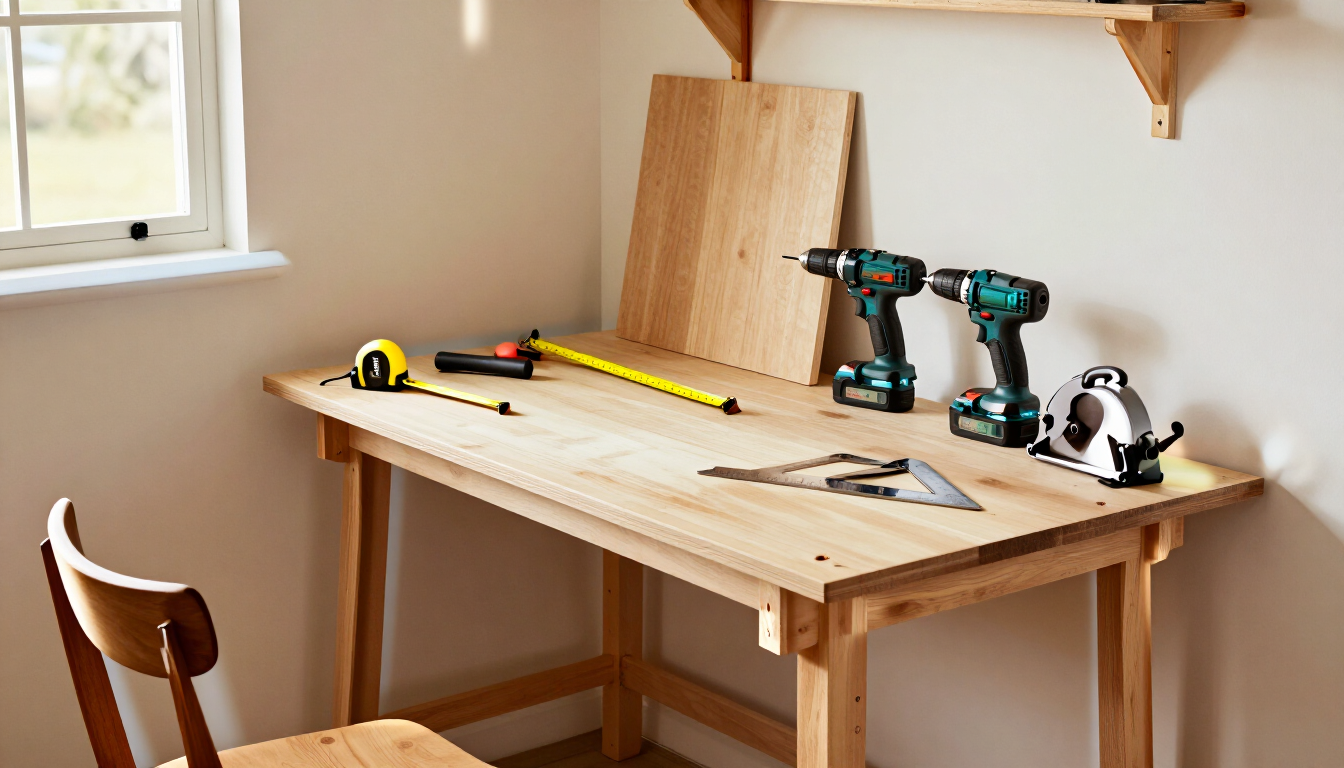
Avoid buying an enormous collection of tools immediately. Start with tools that can handle many different jobs — the same ten essential woodworking tools we recommend for every beginner.
A beginner setup might include:
- Measuring tape
- Combination square
- Pencil
- Drill/driver
- Drill bits
- Circular saw
- Clamps
- Sandpaper
- Hammer
- Safety equipment
Add specialized tools when your projects justify them. For a deeper look at which hand tools genuinely earn their place, the experts at Popular Woodworking offer trusted, high-authority guidance on building a kit around the work you actually do.
Build a Workbench
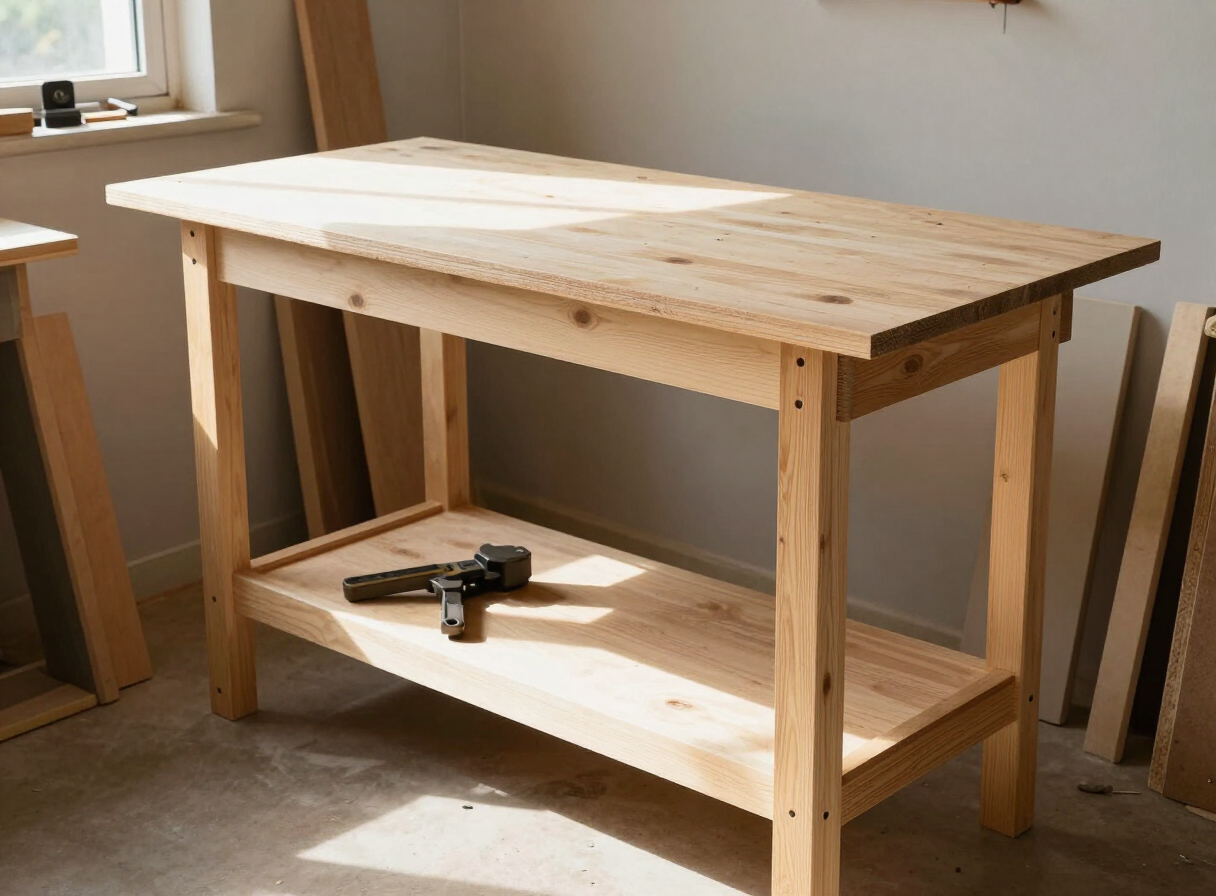
One of your first projects can be a basic workbench. It doesn’t need to be beautiful — it needs to be stable, functional, and appropriate for your workspace. A homemade bench can also include shelves or storage compartments.
Our step-by-step guide to building a simple DIY wooden workbench walks through sizing, materials, and assembly so you can build the heart of your workshop yourself.
Buy Affordable Wood
You don’t have to build your first project from expensive hardwood. Construction lumber, plywood, and suitable inexpensive boards can be excellent learning materials. Look for straight boards with manageable defects.
Our guide to choosing the right wood for DIY projects compares pine, cedar, oak, maple, plywood, and more — so you reach for the right species at the right price. As your skills improve, experiment with more expensive materials.
Use Scrap Wood
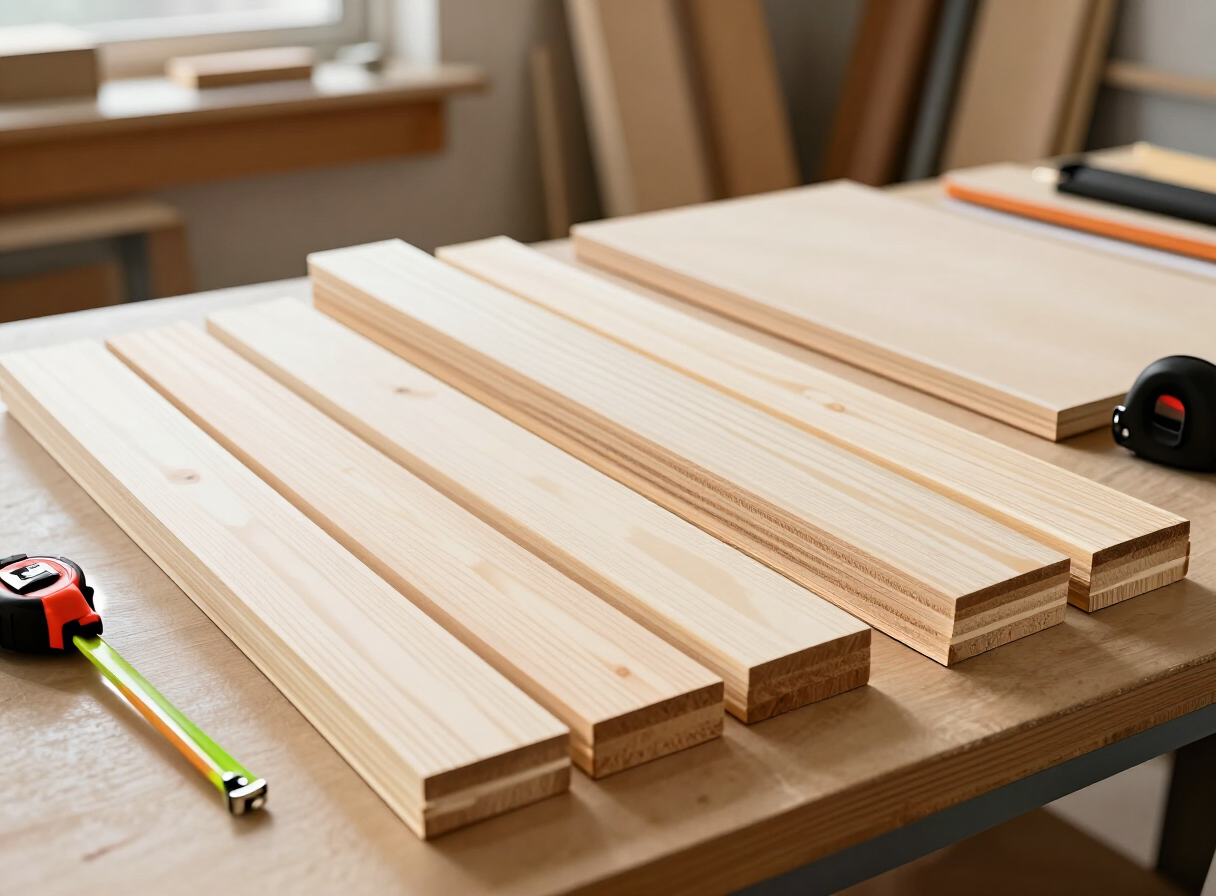
Keep useful offcuts. Small pieces can become phone stands, organizers, coasters, shelves, picture frames, and other projects. Scrap wood is also excellent for practicing techniques before working on expensive material.
Need ideas? Our budget-friendly scrap wood projects round up ten builds you can make from the offcuts already on your bench.

Learn One Skill at a Time
Don’t try to learn every woodworking technique simultaneously. Start with:
- Measuring
- Marking
- Straight cuts
- Drilling
- Screwing
- Sanding
- Basic finishing
Once you’re comfortable, begin exploring joinery and more advanced techniques. A great first skill to master is how to sand wood properly for a smooth finish — it makes every early project look far better than it has any right to.
Use Free Resources Carefully
There are countless woodworking tutorials, plans, videos, and communities online. Use them to learn techniques and ideas. However, don’t blindly copy every project — understand why a particular construction method is being used.
This becomes increasingly important when building furniture that needs to support weight. For reliable, beginner-friendly project plans and technique explainers, Family Handyman is a long-established, high-authority resource worth bookmarking alongside our own woodworking plans guide.
Make Simple Projects
Your first projects should produce useful results. Consider:
- Shelves
- Crates
- Shoe racks
- Plant stands
- Storage organizers
- Small benches
- Simple tables
- Desk organizers
Completing projects gives you practical experience much faster than simply watching tutorials. Our 15 easy DIY woodworking projects for beginners and 25 weekend builds are full of useful, low-cost starting points.
Don’t Chase Perfection
Your first project may have an imperfect cut. The finish might not look exactly like the photograph. A joint may need adjustment. That’s normal — woodworking is a skill built through repetition.
Knowing the common woodworking mistakes beginners should avoid ahead of time helps your first builds go far more smoothly, and reminds you that every woodworker started with an imperfect cut.
Keep Your Workshop Organized
Even a small workspace can become frustrating if tools and materials are scattered everywhere. Create dedicated places for frequently used tools, and keep your work surface clear when you’re cutting or assembling. Good organization saves time and makes woodworking more enjoyable.
A pegboard tool wall done right is one of the cheapest, highest-impact upgrades you can make to a budget workshop.
Invest in Safety
Saving money should never mean compromising safety. Use appropriate protective equipment and follow the safety instructions for your tools. Understand how a tool works before using it, and if you’re unsure about a procedure, stop and learn before continuing.
Keep a Project Journal
One surprisingly useful habit is documenting your projects. Record:
- Project dimensions
- Materials used
- Tools required
- Problems encountered
- Changes you made
- What you would do differently
Over time, this becomes your personal woodworking reference guide — and it makes following and adapting woodworking plans far easier as your skills grow.
Final Thoughts
Starting woodworking at home doesn’t have to be expensive. Start with the space you have, buy versatile tools, use affordable lumber, save useful scraps, and build simple projects. Your workshop will grow naturally as your skills and interests grow.
The most important investment isn’t the biggest tool — it’s the time you spend learning how to use what you already have. When you’re ready for your next build, browse our woodworking plans, try one of these weekend projects you can build in a couple of days, or put your offcuts to work with these scrap wood projects. Ready to turn your builds into income? Explore these profitable woodworking projects you can make and sell.