15 Profitable Woodworking Projects You Can Make and Sell
Woodworking can be more than a relaxing hobby. With the right projects, careful planning, and an understanding of what customers want, it can become a practical way to earn extra income from home.
You don’t necessarily need a large workshop, expensive machinery, or years of professional experience to get started. Many handmade wooden products can be created with the essential woodworking tools every beginner should own, affordable materials, and a little patience.
The secret is choosing projects that balance three important factors: customer demand, production time, and material cost. A beautiful item isn’t automatically profitable if it takes too many hours to make or requires expensive materials that customers aren’t willing to pay for.
In this guide, you’ll discover 15 woodworking projects worth considering, how to estimate their costs, and how to turn your finished products into items people want to buy.
Why Sell Handmade Woodworking Projects?
Handmade wooden products appeal to customers for several reasons. Wood has a natural appearance, can complement many interior styles, and is suitable for products ranging from simple household organizers to custom furniture.
Small woodworking products also offer an advantage for beginners: you can make a few items without committing to a large inventory. If you are just setting up your workspace, our guide to building a small woodworking shop in a limited space shows how to start without a big upfront investment.
Instead of investing heavily in materials and equipment immediately, start with one or two products. Make samples, calculate the actual production costs, and see whether customers are interested.
You can sell through local community groups, craft markets, social media, your own website, or online marketplaces that support handmade goods.
However, profitability depends on your location, competition, product quality, selling fees, shipping costs, and the time required to make each item. Treat the ideas below as opportunities to test rather than guaranteed sources of income.
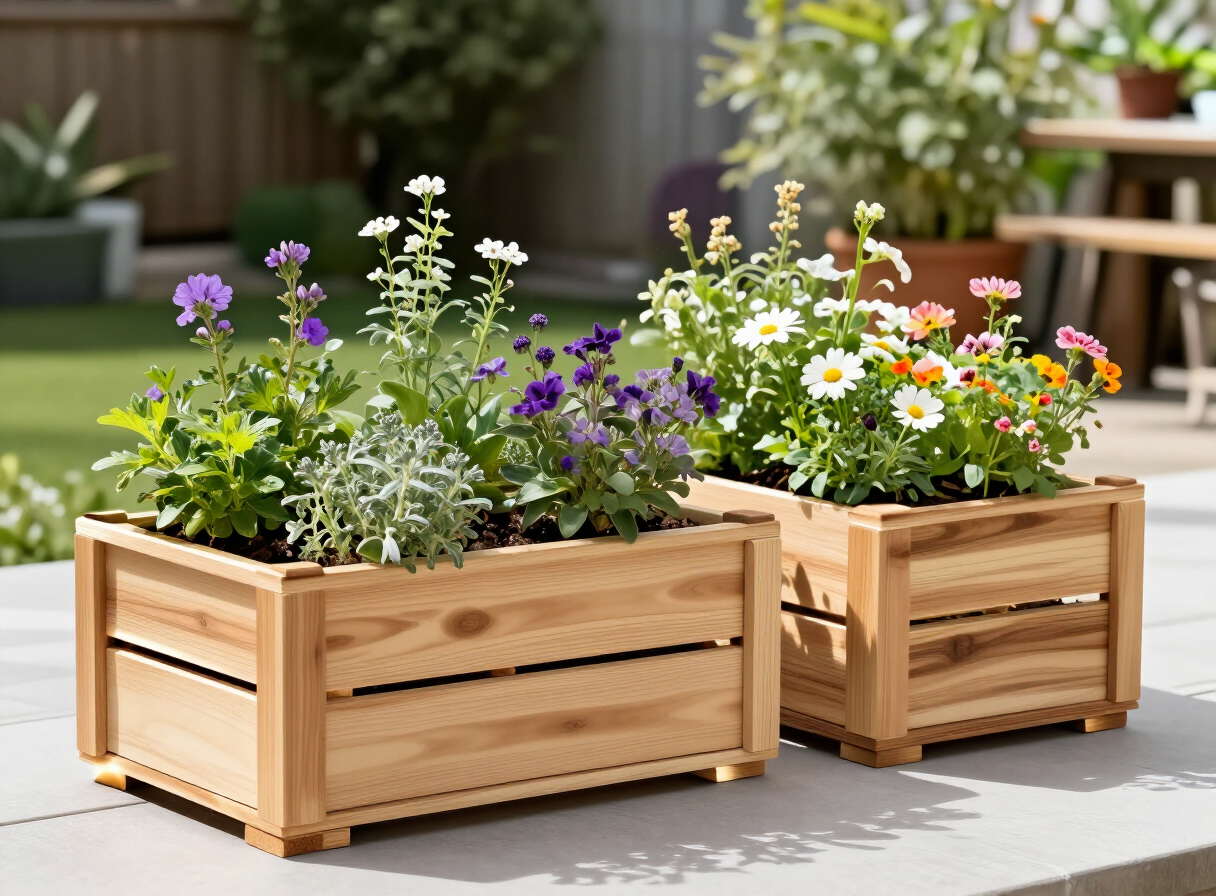
1. Wooden Planter Boxes
Wooden planter boxes are useful for homeowners, apartment residents, gardeners, and people who want to decorate patios or balconies.
You can make simple rectangular boxes from suitable outdoor lumber. More advanced versions can include raised legs, decorative trim, drainage features, or removable liners. Our roundup of outdoor backyard furniture projects includes garden planters among its builds.
Planters are relatively straightforward to build, and customers may purchase several matching units for a garden or balcony.
- Suitable outdoor lumber
- Exterior-rated screws
- Waterproof liner, where appropriate
- Outdoor finish suitable for the intended use
- Sandpaper
Offer different sizes, finishes, and styles. Compact planters may appeal to apartment residents, while larger raised planters may interest people growing vegetables. Make sure the design allows appropriate drainage and that any liner does not trap water against the wood — the same material principles we cover in our guide to choosing the right wood for DIY projects.
2. Floating Wooden Shelves
Floating shelves are popular for displaying books, plants, framed photographs, and decorative objects.
A straightforward shelf may use a carefully finished wooden board and a suitable concealed mounting system. However, the mounting hardware and wall type are critical because the shelf must safely support its intended load.
- Offer several lengths and depths.
- Use contrasting wood species or finishes.
- Provide matching sets.
- Create designs for bathrooms, kitchens, or home offices.
Always specify the recommended installation method and load limitations. Never assume that a shelf can be safely mounted to drywall alone without appropriate anchors or structural support.
3. Wooden Phone and Tablet Stands
Phone stands are excellent beginner projects because they require relatively little material and can be made in batches — a natural next step after the easy DIY projects every beginner should try.
A simple stand may consist of a shaped wooden base with a slot or angled support. More elaborate versions can include cable openings, adjustable viewing angles, or separate slots for different devices.
The challenge is not simply making the stand attractive. It must hold the device securely, provide a useful viewing angle, and accommodate charging cables where advertised. Because phone stands are easy to compare with inexpensive mass-produced alternatives, focus on craftsmanship, attractive wood grain, personalization, or gift packaging.
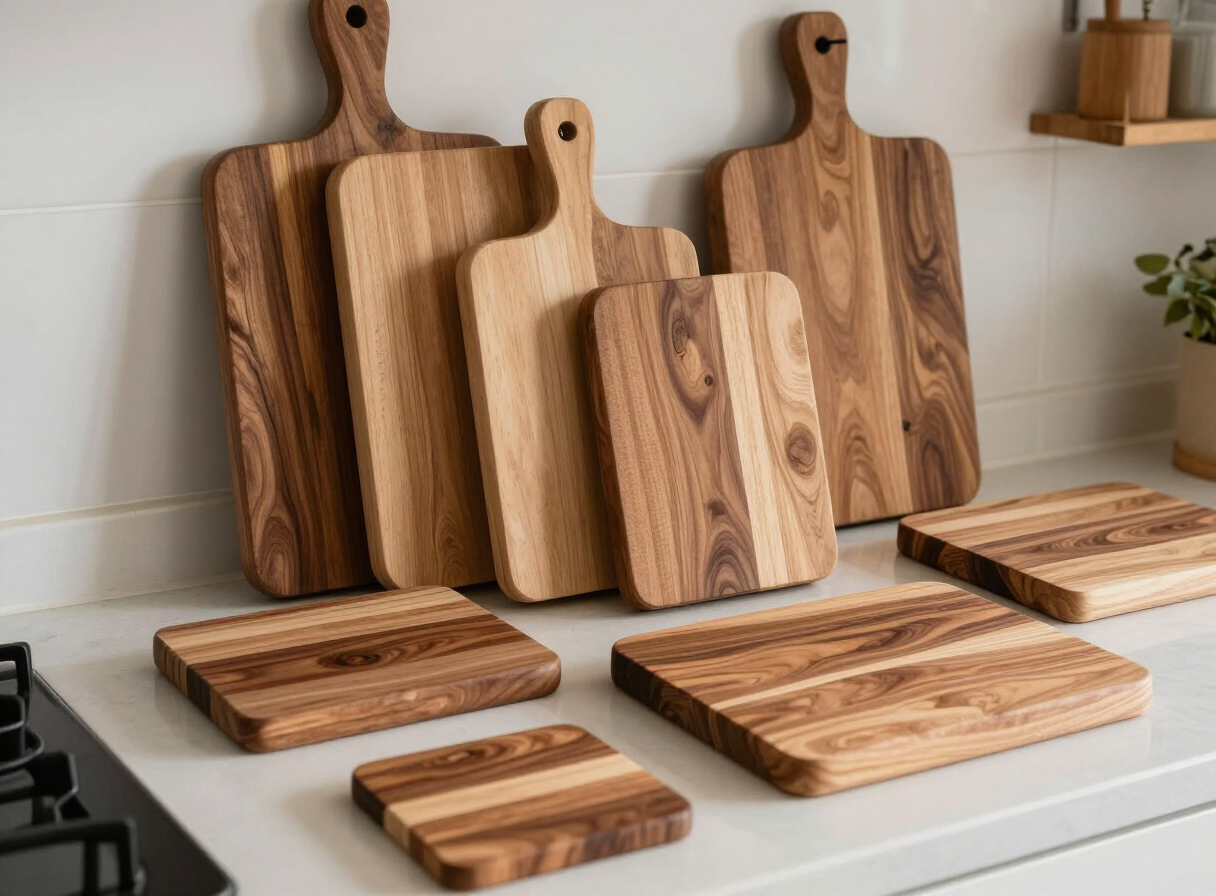
4. Wooden Cutting Boards and Serving Boards
Cutting boards and serving boards can be attractive products for home cooks, entertainers, and gift buyers. Possible designs include rectangular boards, rounded serving boards, and boards with handles.
However, these products require more attention to material selection and finishing than many decorative woodworking projects. Use appropriate food-contact materials, adhesives, and finishes. Avoid reclaimed or chemically treated wood of uncertain origin. Design the board so that it can be cleaned and dried properly.
Cutting boards also need regular care, which you can explain in a printed instruction card or accompanying website article. If you sell these products, research the applicable food-contact and consumer-product requirements in your market.
5. Wooden Coasters
Coasters are small, giftable products that can be produced from offcuts — the same scrap wood that powers our budget-friendly scrap wood projects.
You might create matching sets from hardwood, combine contrasting wood species, or offer engraved designs. A simple product becomes more appealing when presented as a coordinated set rather than as a single coaster.
Consider including a storage holder, a protective finish appropriate for the intended use, and clear care instructions. Wood naturally responds to moisture and temperature changes, so use suitable construction methods and test the finished product before selling it.
6. Wooden Picture Frames
Picture frames can be made in standard sizes or customized for particular photographs, artwork, and home decor styles. They are especially useful when you already have tools for accurate measuring, cutting, and joining.
The most important factors are square corners, consistent dimensions, smooth edges, and reliable backing or mounting hardware. You can offer unfinished frames for customers who prefer DIY projects, but finished frames may appeal to buyers looking for ready-to-display products. Personalization can help distinguish handmade frames from mass-produced alternatives.
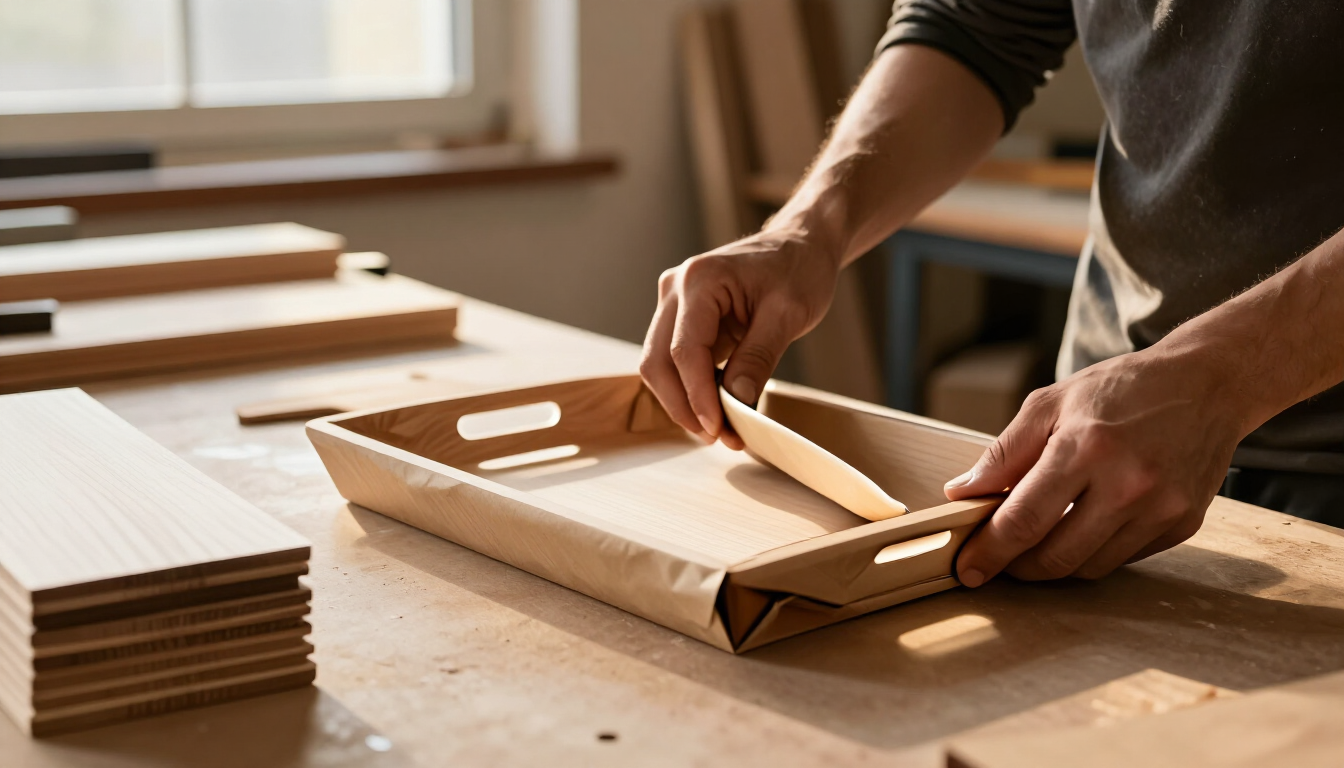
7. Wooden Serving Trays
Serving trays are suitable for kitchens, coffee tables, breakfast settings, and gifts. A basic tray consists of a flat wooden base and securely attached sides or handles. More advanced designs can include decorative joinery, contrasting wood, or personalized details.
Pay particular attention to the strength of the handles and their attachment points. A tray that looks attractive but cannot safely carry its intended contents will quickly disappoint customers. If the tray will contact food, use appropriate materials and finishes and clearly explain the intended use.
8. Wooden Key Holders
A wall-mounted key holder is a relatively simple product that solves a familiar household problem. It may consist of a wooden board with hooks, a small shelf, or a compartment for mail and everyday items.
Differentiate your product with a clean design, attractive finish, and easy-to-understand installation instructions. You can also offer optional personalization, such as a family name or a small decorative engraving.
9. Small Wooden Stools
Small stools can serve as plant stands, decorative furniture, or seating when appropriately designed and constructed. They require stronger joinery and more careful testing than small decorative items.
If you intend the product for seating, design it for that purpose rather than simply adapting a plant stand. The joints, fasteners, leg geometry, and materials must be suitable for the expected load. Begin with a simple, proven design and avoid selling load-bearing furniture until you have verified its stability and construction.
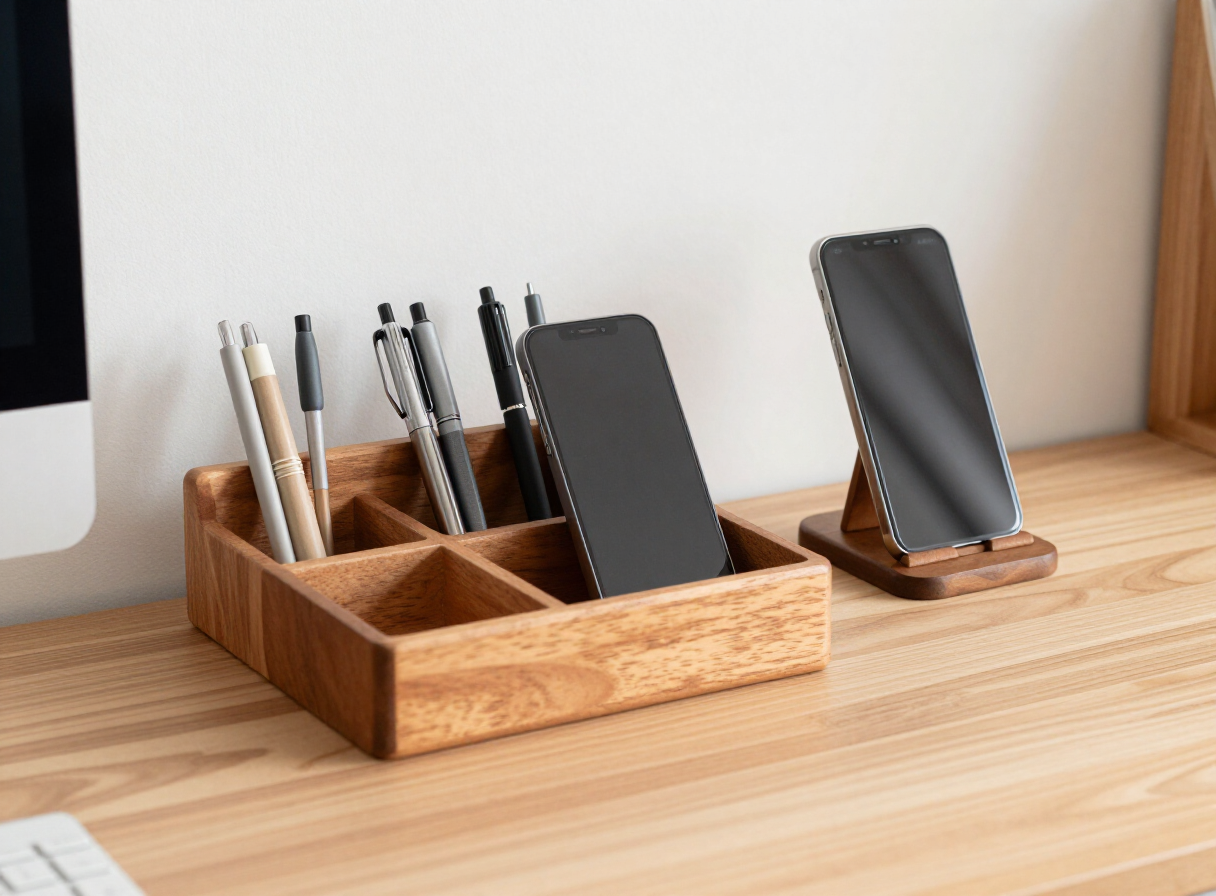
10. Wooden Desk Organizers
Desk organizers appeal to students, remote workers, office employees, and people who want to keep small items organized. A design might include compartments for pens, notebooks, phones, and accessories.
These projects offer plenty of room for customization without requiring a large amount of wood. Consider creating a matching collection that includes a phone stand, pen holder, and small tray. A coordinated collection can increase the value of an order while allowing you to reuse the same materials and finishes.
11. Wooden Pet Feeding Stands
Pet feeding stands can be useful for households that prefer raised bowls or want a more coordinated feeding area. A basic design can include a stable wooden frame with openings for removable bowls.
The openings must be measured carefully, and the bowls should fit securely without becoming difficult to remove for cleaning. Use finishes suitable for the intended environment, keep the design easy to clean, and ensure that the structure is stable. Avoid making unsupported claims that a raised feeding position is medically beneficial for every animal. The product should be presented as a practical feeding accessory rather than a veterinary treatment.
12. Wooden Jewelry Boxes
Jewelry boxes can range from simple compartmentalized containers to more advanced boxes with hinged lids, dividers, and decorative joinery. They can be attractive gift items because customers often value craftsmanship and personalization.
Beginners should start with a straightforward rectangular box before attempting complex hinges or sliding compartments. Accurate cuts, clean corners, and smooth finishing are especially noticeable on smaller products — the same fundamentals we walk through in our guide to building your first piece of DIY wooden furniture.
13. Wooden Wall Art
Wooden wall art can include geometric patterns, layered designs, decorative panels, and personalized signs. This category allows considerable creative freedom. You can experiment with wood grain, shapes, contrasting finishes, and carefully selected offcuts.
Before making a large inventory, create a few prototypes and photograph them in realistic home settings. The challenge is finding a style that customers recognize and want to purchase. Original designs and thoughtful presentation may be more valuable than adding unnecessary complexity.
14. Wooden Laptop Stands
Laptop stands can appeal to remote workers, students, and people setting up home offices. A stand should be stable, appropriately sized, and designed to support the intended device. Consider ventilation, surface grip, cable routing, and the viewing angle.
Avoid making ergonomic or health claims that you cannot substantiate. As with phone stands, the competition includes inexpensive manufactured alternatives. Your advantage may come from attractive materials, custom sizing, craftsmanship, or a coordinated desk-accessory collection.
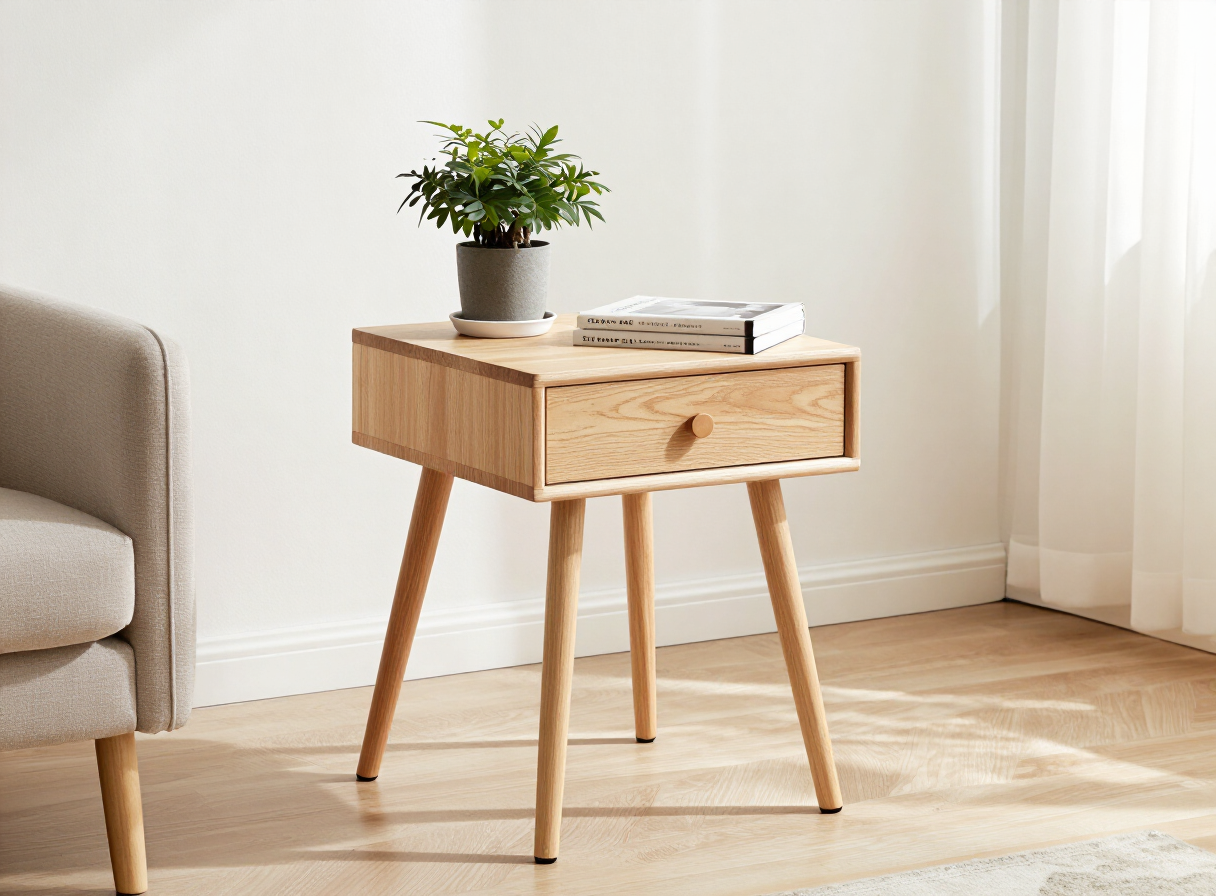
15. Custom Furniture and Small Tables
Custom furniture can offer a higher selling price than small craft items, but it also requires more materials, tools, time, and planning. Potential products include side tables, bedside tables, compact coffee tables, and small entryway tables.
Begin with a simple design you can reproduce accurately. Develop a standard materials list, construction sequence, and quality checklist. For custom work, collect a deposit when appropriate, confirm dimensions in writing, and establish a clear agreement covering materials, finish, delivery, and changes.
Large furniture should not be your first project if you have not yet developed reliable cutting, joinery, and assembly skills. Start with the manageable beginner builds and work your way up.
How to Choose the Best Project for Your Situation
Not every product is suitable for every woodworker. Before choosing what to sell, ask yourself five questions.
Can I make it consistently? A product that looks good once but is difficult to reproduce can become expensive to manufacture.
Can I source the materials reliably? Using locally available wood and standard hardware can reduce delays and simplify repeat orders — our guide to choosing the right wood for DIY projects helps you pick sensible species.
How much time does each unit require? Record the time needed for measuring, cutting, assembly, sanding, finishing, cleanup, and packaging.
Can I explain why someone should buy my version? Your product should offer a reason to choose it, such as a useful design, personalization, careful workmanship, or a style that suits a particular customer.
Can I deliver it safely and economically? Large or fragile items may be more expensive to package and transport than expected.
How to Calculate Your Selling Price
One of the biggest mistakes new woodworking sellers make is charging only for materials. A more complete pricing calculation includes:
- Wood and other materials
- Hardware and consumables
- Finishing products
- Packaging
- Direct labor
- Marketplace and payment fees
- Expected waste and rework
- A contribution toward overhead
- Profit
For example, imagine a desk organizer uses ₱250 in materials, ₱50 in packaging, and ₱40 in other consumables. If it takes two hours to make and you assign a labor value of ₱150 per hour, the estimated direct cost is ₱250 + ₱50 + ₱40 + ₱300 = ₱640. If you sell it for ₱800, the difference is ₱160 before any additional selling fees, overhead, taxes, or unexpected expenses.
This example is illustrative, not a recommended market price. Research what customers in your area are willing to pay before setting your final price. A useful formula is: selling price − total relevant costs = profit before any costs not included in the calculation. If customers consistently reject your price, investigate whether the product needs a different design, a more suitable market, better presentation, or a more efficient production process. Do not assume that working faster or charging less is always the best solution.
How to Find Customers for Handmade Woodworking
Start by photographing your products clearly. Use natural lighting, uncluttered backgrounds, and several angles that show construction details. Explain the product’s dimensions, materials, finish, intended use, and care requirements.
You can promote products through several channels:
- Facebook business pages and relevant community groups, following each group’s rules
- Pinterest pins that link to useful project guides or product pages
- Local craft fairs and community markets
- Your own website
- Appropriate handmade-product marketplaces
- Partnerships with local interior decorators or gift shops
Consider publishing a detailed article about each product. Explain how it is made, what tools are required, what mistakes to avoid, and how to care for the finished item — then direct interested readers to relevant product pages or our woodworking resources. Avoid posting the same promotional message repeatedly in communities that do not welcome advertising. Useful content, genuine participation, and clear disclosures are better long-term strategies.
Use Woodworking Plans to Improve Consistency
Reliable woodworking plans can save time by providing measurements, material lists, diagrams, and assembly instructions. They can be particularly useful when you want to reproduce the same product more than once. Before purchasing a plan, check whether it includes the information you need, whether the design matches your tools and skill level, and whether its licensing permits commercial production.
A large plan library such as Ted’s Woodworking offers 16,000+ step-by-step plans with cut lists, diagrams, and material schedules — useful when you need a repeatable, documented build to produce consistently for customers.
Affiliate disclosure: This is an affiliate link. If you purchase through it, we may earn a commission at no additional cost to you.
Common Mistakes to Avoid
Making too many products at once: Start with one or two products and learn which ones customers actually want.
Ignoring labor costs: Your time is part of the cost of production.
Buying equipment before validating demand: Use your existing tools where practical and invest gradually — our guide to starting woodworking at home on a budget keeps early costs under control.
Underestimating finishing time: Sanding, drying, and curing can make a simple product take longer than expected. Read our guide to sanding wood for a smooth finish to plan this stage realistically.
Accepting every custom request: Unusual dimensions and last-minute changes can make production difficult to manage.
Using unsuitable materials: Product safety, durability, and intended use should guide material selection.
Failing to document your process: Record measurements, materials, settings, and construction steps so that repeat orders are easier to fulfill. Knowing the common woodworking mistakes beginners should avoid helps you sidestep costly errors before they reach a paying customer.
Frequently Asked Questions
What is the easiest woodworking project to sell?
Small products such as phone stands, coasters, key holders, and desk organizers can be relatively accessible for beginners. The best choice depends on your tools, local demand, and ability to make the product consistently — the essential woodworking tools guide covers the starter kit most of these require.
Can I start a woodworking business with basic tools?
Yes. Many small projects require only basic measuring, cutting, drilling, sanding, and finishing equipment. Choose designs that fit your current tools and expand as demand justifies additional purchases.
How do I know whether a woodworking product is profitable?
Calculate materials, labor, packaging, selling fees, waste, and overhead. Then compare the total with the price customers are willing to pay.
Should I sell online or locally?
Both can work. Local sales may simplify delivery, while online sales can reach more customers but may involve shipping, platform fees, and greater competition.
Can I sell products made from purchased woodworking plans?
Check the plan’s license or terms before selling finished products. Permission to use a plan for personal projects does not automatically mean commercial production is permitted. Our complete guide to reading woodworking plans explains what to look for before you buy.
Final Thoughts
Profitable woodworking begins with choosing a product you can make well, identifying customers who want it, and calculating your costs honestly.
You do not need 15 products to get started. Choose one promising idea, build a prototype, calculate its cost, and show it to potential customers. Improve the design based on real feedback. Once you can produce it consistently and sell it at a sustainable price, consider adding another product.
With patience, good workmanship, and sensible business planning, woodworking can develop from a hobby into a more organized side business. When you are ready for your next build, browse the full project library or our woodworking plans guide.