10 Essential Woodworking Safety Tips Every Beginner Should Know!
Woodworking is a rewarding hobby that allows you to transform ordinary pieces of wood into beautiful, functional creations. Whether you are building furniture, making wooden crafts, or starting your first DIY project, learning woodworking can be an exciting experience.
However, before picking up your first saw or switching on a power tool, you need to understand one essential principle: safety always comes first.
Woodworking involves potential hazards, including sharp blades, flying wood chips, loud machinery, and airborne dust. Without proper precautions, even a simple project can result in serious injuries.
The good news is that following basic woodworking safety rules can significantly reduce these risks. By developing good habits from the beginning, you can protect yourself while improving your woodworking skills.
In this guide, we will explore 10 essential woodworking safety tips for beginners, covering protective equipment, power tool handling, dust control, and workshop organization. Whether you are working in a small garage or a dedicated woodworking workshop, these practical tips will help you create a safer environment for your DIY projects.
1. Always Wear Appropriate Safety Equipment
One of the most important woodworking safety tips for beginners is wearing the right personal protective equipment (PPE). Woodworking can expose you to flying debris, excessive noise, and fine dust particles. Appropriate protective equipment helps reduce these hazards.
Essential woodworking safety equipment includes:
- Safety glasses: Protect your eyes from flying wood chips and debris. Choose properly rated safety glasses, such as those meeting ANSI Z87.1 standards.
- Hearing protection: Use suitable earplugs or earmuffs when operating noisy machinery, including table saws, routers, and planers.
- Respiratory protection: Use a properly selected and fitted respirator when necessary to reduce exposure to hazardous wood dust.
- Protective footwear: Wear stable, closed-toe shoes to help protect your feet from falling materials.
- Appropriate clothing: Avoid loose sleeves, dangling jewelry, and anything that could become caught in moving machinery. Tie back long hair.

Remember that protective equipment should match the task. Never wear gloves near rotating blades, drill bits, or other machinery where they could become entangled.
Beginner tip: Put on the required protective equipment before starting your tools, not after dust or debris has already filled the workspace. The same ten tools in our essential woodworking tools guide each carry their own safety considerations — learn them as you learn the tools.
2. Learn How to Use Every Tool Properly
Before using a woodworking tool, take time to understand how it operates. Power tools can make woodworking faster and more precise, but incorrect handling can lead to serious injuries. Never assume that a tool is safe simply because it looks easy to use.
Read the manufacturer’s instruction manual before operating unfamiliar equipment. Learn how to start and stop the tool, install accessories, adjust settings, and use its safety features. Different tools also present different hazards:
- Table saws: Blade contact and kickback.
- Circular saws: Unexpected movement and blade contact.
- Drills: Rotating bits and spinning workpieces.
- Routers: High-speed cutting bits and flying chips.
- Sanders: Airborne dust and noise.
Inspect your tools before every use. Check for damaged cords, loose components, defective switches, and missing safety guards. Never operate equipment with damaged parts or malfunctioning safety features. If you are unsure how to use a tool, seek guidance from an experienced woodworker or qualified instructor.
Learning proper techniques before starting a project will help you work more confidently and safely — and it pairs naturally with knowing the common woodworking mistakes beginners should avoid, many of which are safety mistakes in disguise.
3. Keep Your Workshop Clean and Organized
A cluttered workshop increases the risk of trips, falls, and accidents. Loose power cords, scattered tools, scrap wood, and accumulated sawdust can interfere with your movements and make it difficult to concentrate.
Fortunately, maintaining an organized workshop does not require expensive equipment. Start by giving every tool a designated storage location. Use shelves, drawers, toolboxes, or wall-mounted organizers to keep your equipment accessible — our guide to setting up a small woodworking workshop walks through the whole layout.
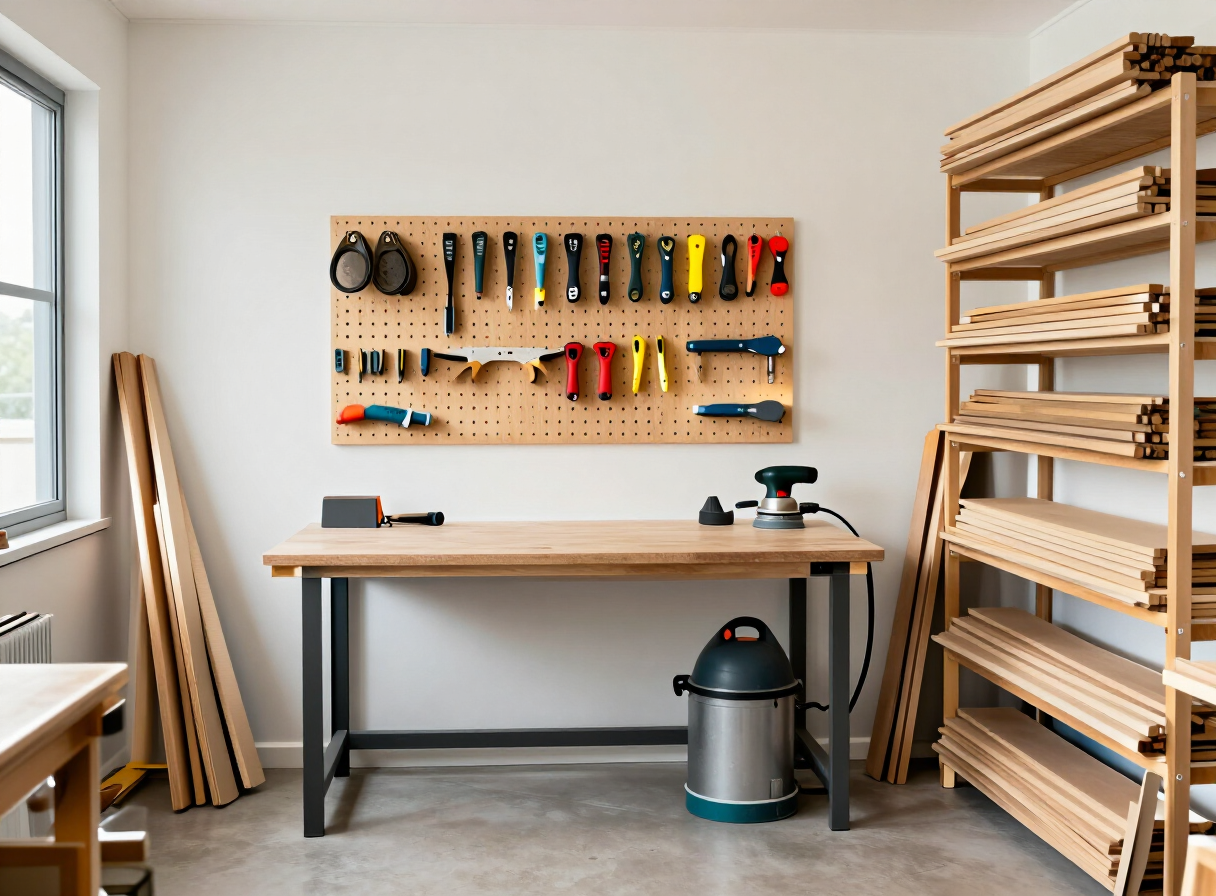
Remove wood scraps and offcuts regularly, particularly around cutting machines and walking paths. Sawdust should also be controlled using suitable dust extraction equipment or a vacuum designed for the application. Avoid blowing dust into the air with compressed air, as this can increase your exposure to fine particles.
Keep floors dry and walkways clear, and make sure workshop exits remain unobstructed. If you are working in a garage, allow enough space to move long boards without striking shelves, vehicles, or other objects. A sturdy DIY wooden workbench gives you a stable, dedicated surface that keeps workpieces off the floor and under control.
Remember: a clean workspace makes it easier to focus on your project and respond quickly when something goes wrong.
4. Secure Your Wood Before Cutting or Drilling
Never underestimate the importance of securing your workpiece. Wood that shifts unexpectedly during cutting, drilling, or sanding can cause you to lose control of the tool or place your hands in a dangerous position.
Use appropriate clamps, bench vises, or approved work-holding devices to keep materials stable. Common options include F-clamps for general woodworking, bar clamps for larger materials, and bench vises for suitable hand-tool operations.
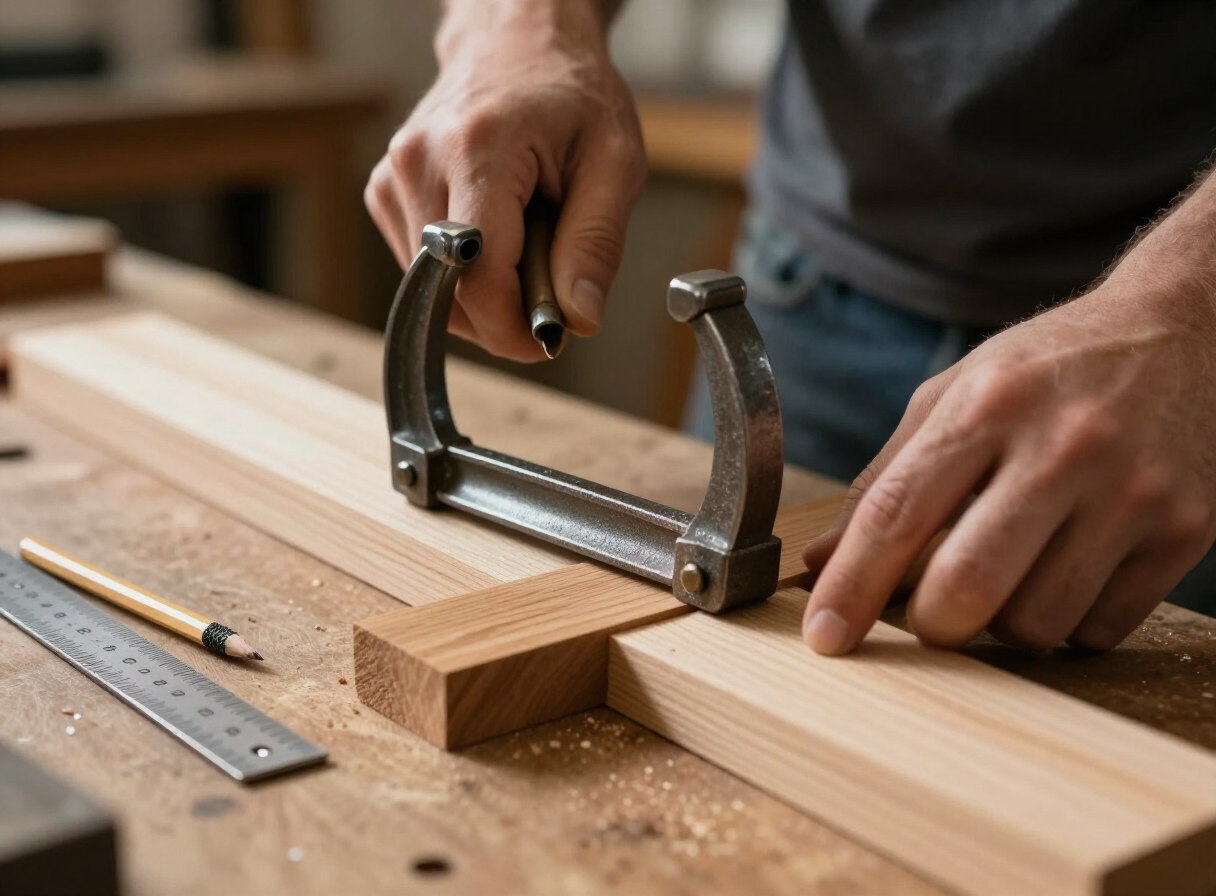
Before starting a cut, check that the workpiece is firmly supported and that the clamps will not interfere with the blade or cutting path. Small pieces of wood require particular attention. Never hold a small workpiece close to a moving blade when a suitable jig, clamp, or approved work-holding method can be used.
When operating a table saw, follow the manufacturer’s instructions and use the appropriate fence, push stick, push block, or other safety accessories for the specific cut. Always inspect reclaimed wood for hidden nails, screws, or other metal objects before cutting — the same habit that protects your blades in our scrap wood projects.
Safety rule: Secure the material, check the setup, and only then start the tool.
5. Follow Power Tool Safety Rules
Power tools are essential for many woodworking projects, but they demand constant attention. Before operating a power tool, inspect its condition, confirm that the correct blade or accessory is installed, and ensure that all required guards are functioning properly. Never remove safety guards simply to make a task easier.
Keep your hands away from moving blades and cutting bits. Use appropriate push devices and guides when required, and never reach over a moving blade to retrieve an offcut.
Understand Kickback
Kickback happens when a workpiece is suddenly thrown back toward the operator or when a tool reacts unexpectedly during cutting. It can occur when wood binds against a blade, is fed incorrectly, or is inadequately supported.
To reduce the risk:
- Follow the manufacturer’s recommended operating procedures.
- Use appropriate guards and safety devices.
- Keep the workpiece properly supported.
- Never force wood through a cutting tool.
- Maintain a stable working position.
- Keep your body out of the likely kickback path.
Before changing blades, replacing router bits, clearing jams, or performing maintenance, switch off and disconnect the tool according to the manufacturer’s instructions. Wait until all moving parts have stopped before handling cutting components. Never reach into a running machine to remove stuck material.
6. Keep Cutting Tools Sharp and Well-Maintained
Using dull or damaged cutting tools can make woodworking more difficult and potentially less safe. A dull blade may require additional force, increasing the chance of losing control or causing the material to bind. Sharp tools, when properly maintained and used correctly, generally produce cleaner cuts with less effort.
Inspect blades, drill bits, and other cutting accessories regularly. Replace damaged components and use accessories appropriate for your tool and intended application. Keep chisels, hand saws, carving tools, and utility knives stored safely when not in use. Never leave sharp tools hidden beneath sawdust or scattered among scrap wood.
Follow the manufacturer’s maintenance recommendations, and never adjust or service powered equipment while it is running. Proper maintenance improves cutting performance and helps keep your workshop safer — and sharp, well-tuned tools are also the secret behind a smooth, finish-ready surface.
7. Control Wood Dust and Improve Ventilation
Wood dust is an often-overlooked woodworking hazard. Cutting, sanding, drilling, and routing can release fine particles that irritate your eyes, skin, and respiratory system. Some wood dusts can cause allergic reactions, and certain hardwood dusts are classified as carcinogenic to humans.
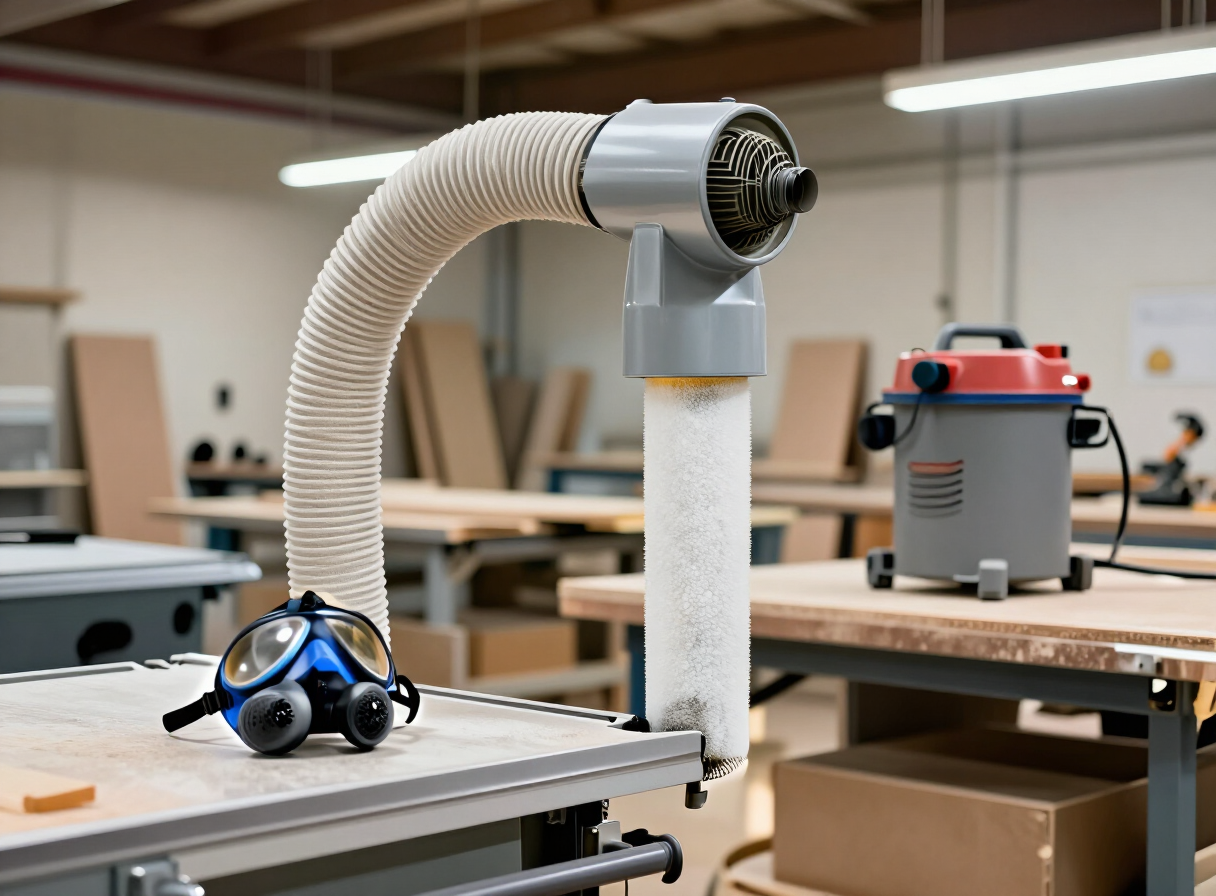
Even small DIY projects can produce airborne particles, so dust control should always be a priority. Use a suitable dust extraction system connected to your tools whenever possible. Capturing dust at its source helps prevent it from spreading throughout your workspace.
Keep your workshop properly ventilated, especially when working with paints, adhesives, stains, and solvents. When additional respiratory protection is necessary, choose a respirator suitable for the hazard and ensure it fits correctly. Avoid dry sweeping or using compressed air to disperse fine dust — instead, use appropriate extraction and cleaning equipment.
For authoritative, detailed guidance on woodworking hazards and required controls — including dust, machine guarding, and noise — the OSHA woodworking standards and safety guidance are an essential reference for any home workshop.
A clean, well-ventilated workshop protects your health and helps keep your tools and finished projects in better condition.
8. Handle Wood Finishes and Chemicals Carefully
Woodworking often involves stains, paints, varnishes, adhesives, and solvents. These products can create hazards such as skin irritation, harmful vapors, and fire risks.
Before using any finishing product, read its label and safety data sheet. Follow the recommended instructions for protective equipment, ventilation, storage, and disposal. Keep containers closed when not in use, and never transfer chemicals into unmarked containers.
Many solvents and finishing products are flammable. Keep them away from flames, sparks, smoking materials, and other ignition sources. Pay special attention to finishing rags. Rags soaked with certain drying oils, including linseed oil, can spontaneously heat up and ignite if improperly stored. Follow the product manufacturer’s instructions and local fire-safety guidance for handling and disposal. Never leave oil-soaked rags crumpled in a pile.
Store chemicals appropriately and keep them away from children and pets. Understanding the products you use is an essential part of maintaining a safe woodworking workshop.
9. Never Rush Your Woodworking Projects
Excitement can make beginners eager to finish a project quickly. However, rushing increases the likelihood of mistakes. Before starting, review your project instructions, measure your materials carefully, and prepare your tools and workspace.
Make sure you understand each cutting or assembly step before proceeding. Avoid distractions when operating machinery. Put your phone aside and stop the operation safely if someone needs your attention. Children and pets should remain away from active woodworking areas.
It is equally important to recognize fatigue. Working when you are tired, frustrated, or unable to concentrate can affect your coordination and judgment. Never operate machinery while impaired by alcohol, recreational drugs, or medication that affects alertness or coordination. If something does not feel right, stop and reassess the situation.
Taking a few extra minutes to prepare your next cut is far better than risking a serious injury — and starting with manageable beginner projects keeps the pace realistic while you build safe habits.
10. Prepare for Emergencies
Even with good safety practices, every woodworker should know how to respond to an emergency. Keep a well-stocked first-aid kit in an accessible location and learn basic first-aid procedures. For severe bleeding, deep cuts, serious eye injuries, or other major injuries, seek emergency medical assistance immediately.

Your workshop should also have appropriate fire-safety equipment. Learn how to use it safely, maintain clear exits, and understand the fire risks associated with wood dust, electrical equipment, and finishing products. Familiarize yourself with the location of each machine’s power switch and emergency stop, where provided.
If a tool makes unusual noises, vibrates excessively, or behaves unexpectedly, stop using it. Disconnect power before investigating a problem whenever required by the manufacturer’s instructions. Never put yourself at risk trying to extinguish a fire that is spreading or save damaged equipment. Most importantly, know when to ask for help. If you do not understand how to perform an operation safely, seek proper instruction before continuing.
Once your safety habits are in place, the best way to practice them is on a clear, well-documented build. A large plan library such as Ted’s Woodworking offers 16,000+ step-by-step plans with cut lists, diagrams, and material schedules — giving you a safe, structured project to follow while you build confidence with your tools.
Affiliate disclosure: This is an affiliate link. If you purchase through it, we may earn a commission at no additional cost to you.
Frequently Asked Questions About Woodworking Safety
What safety equipment does a beginner woodworker need?
Beginners should have suitable safety glasses, hearing protection for noisy operations, and appropriate respiratory protection when necessary. Depending on the task, protective footwear and additional equipment may also be needed. Dust extraction, functioning machine guards, and suitable clamps are important parts of a safer workshop — and the essential woodworking tools guide lists the starter kit that pairs with them.
What is the most important woodworking safety rule?
Understand the tool and operation before starting. Follow the manufacturer’s instructions, keep required guards in place, secure your workpiece, and keep your hands away from cutting areas. Never use unfamiliar equipment without appropriate instruction.
Is woodworking safe for beginners?
Yes. Beginners can learn woodworking safely by starting with simple projects, understanding their tools, using appropriate protective equipment, and following safe working procedures. Begin with tasks suited to your experience and seek instruction before attempting unfamiliar operations — our guide to starting woodworking at home on a budget keeps those first steps affordable and safe.
How can I prevent woodworking accidents at home?
Keep your workspace organized, secure your materials, inspect your tools, control wood dust, and avoid rushing. Keep children and pets away from operating machinery, and never use damaged tools or bypass safety features.
Conclusion
Woodworking is a rewarding skill that combines creativity, patience, and practical problem-solving. However, enjoying your projects starts with making safety a priority.
By following these 10 essential woodworking safety tips for beginners, you can reduce common workshop hazards and develop good habits that will benefit you throughout your woodworking journey. Wear appropriate protective equipment, learn your tools, secure your workpieces, control dust, maintain your equipment, and never rush a job.
You do not need an expensive workshop or years of experience to get started. You need the willingness to learn, prepare properly, and respect the tools you use. Start with safety, build your skills one project at a time, and enjoy creating something amazing with your own hands — then browse the full project library or our woodworking plans guide for your next safe, well-planned build.